
Best Time to Visit the Caribbean by Month (2025–2026): Weather, Crowds, Prices, and What to Expect

Trying to pin down the best time to visit the Caribbean by month can feel oddly tricky, because the “Caribbean” isn’t one uniform climate. Some islands are breezy and dry while others are lush and rainy, and your experience changes a lot depending on whether you’re traveling in January, May, or late September.So this is a practical guide. Not perfect. But genuinely useful: what the seasons usually look like, when prices jump, when hurricane risk is highest, and how to plan around seaweed (sargassum) without spiraling.
If you’re still choosing an island, start with the main guide to the best Caribbean islands to visit and then use this month-by-month page to match the destination to your dates.
Quick answer: the best time to visit the Caribbean
In most years, the most reliable weather is during the dry season, roughly mid‑December through April. That’s also the busiest and most expensive stretch, because everyone else has the same idea.
If you want better prices and fewer crowds, May, June, and sometimes early July can be a really pleasant compromise on many islands—warm, not as busy, and still with plenty of sunny days.
And yes, hurricane season is a real consideration: the Atlantic hurricane season runs from June 1 to November 30. It doesn’t mean a storm is guaranteed, but it does mean you should plan differently—more flexibility, better cancellation terms, and a calm “Plan B” mindset.
Before the monthly breakdown: three things that matter more than people admit
1) “Dry season” isn’t identical everywhere
Dry season is a useful shortcut, but it’s still a shortcut. Some islands stay relatively sunny year-round; others are greener and more humid even in winter. It’s why two people can travel in the same week and come home with totally different stories.
2) Hurricane season is a season, not a daily forecast
Hurricane season officially runs June 1 through November 30. Peak risk tends to cluster later in summer and early fall, which is why late August through October gets the most side-eye from cautious planners.
If you’re traveling then anyway (many people do), the smartest move is to book flexible stays and treat travel insurance as a normal expense, not an optional add-on.
3) Sargassum can shape your beach week
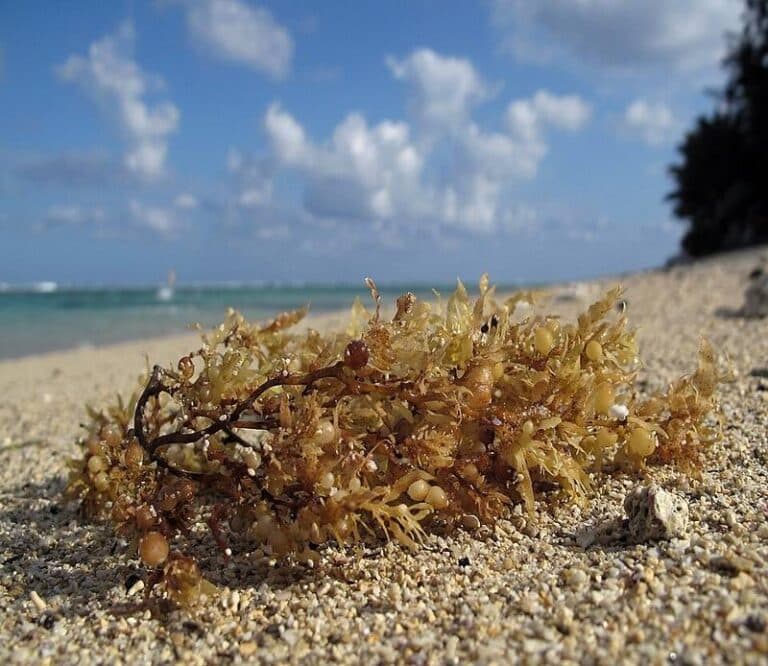
Sargassum usually starts increasing in spring and often peaks in summer before easing into fall. It’s not consistent across every island or coastline, but it can be enough to change which beach you’ll actually want to sit on.
If seaweed is one of your biggest worries, keep a simple reference open: the Caribbean sargassum travel guide. It’s written to help you adjust plans without losing your mind.
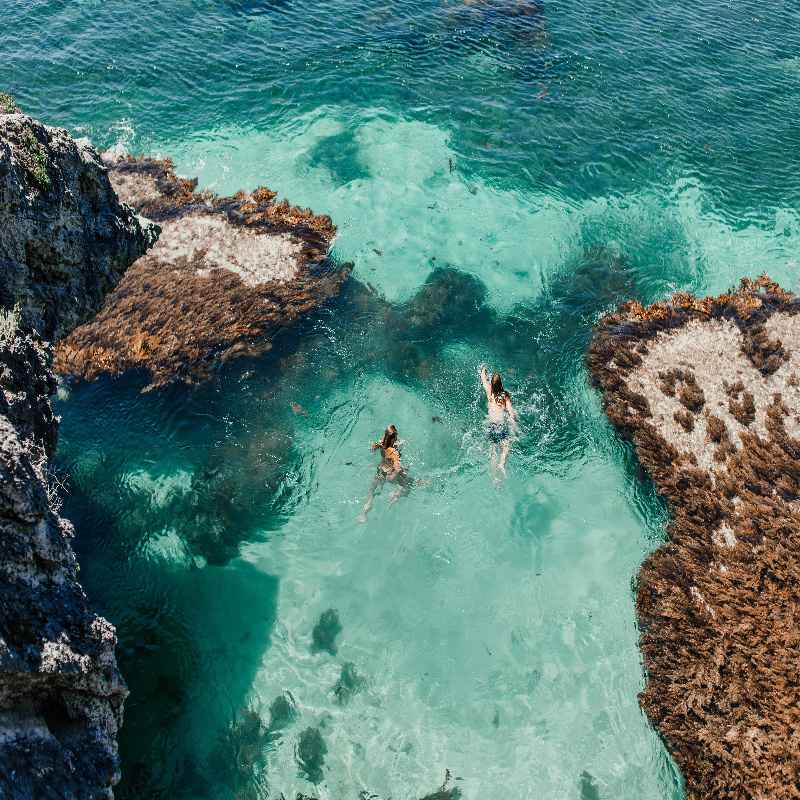
Best time to visit the Caribbean by month
This section is intentionally “real-world.” It mixes weather tendencies with what travelers actually feel: crowd levels, pricing pressure, and the little issues that don’t show up in glossy brochures.
January
January is classic Caribbean season: warm days, lower humidity, and generally reliable sunshine in many areas. Crowds are high, especially after New Year’s, and prices tend to stay elevated.
If you want that postcard, “I can’t believe it’s winter at home” feeling, January is a safe bet. Just book earlier than you think you need to.
Good for: First-timers, families escaping winter, couples who want easy beach days.
February
February is often one of the driest, most comfortable months across many Caribbean islands. It’s still peak season, though, so expect busy beaches in the most popular areas.
If your goal is dependable weather (and you don’t mind paying for it), February is one of the strongest months to visit.
Good for: Beach stays, snorkeling, island-hopping trips where you don’t want weather surprises.
March
March stays squarely in the dry-season sweet spot. It can feel a touch hotter than January/February, but still comfortable and breezy in many places.
Spring break crowds can be a factor. It’s not “ruined,” but certain islands and resort zones do feel more packed.
Good for: Travelers who want high confidence weather; active trips with hiking or day tours.
April
April is that interesting shoulder-ish transition: it often still feels like peak weather, but the crowd intensity can start to ease after early April. Prices sometimes soften too, depending on the island.
Honestly, April is underrated. If you can travel after the busiest holiday weeks, it can be a very nice balance.
Good for: Couples, photographers, travelers who want “peak vibes” with slightly less peak pricing.
May
May is one of the best-kept-not-really-a-secret secrets. Many islands are still quite sunny, the ocean is warm, and hotels may offer better deals.
Rain becomes a bit more likely, but often in short bursts. You plan around it. Or you don’t, and you still end up fine.
Good for: Value seekers, food-and-culture trips, travelers who don’t need perfection.
June
June begins the official Atlantic hurricane season, which runs June 1 to November 30. That said, early summer travel can still be very enjoyable—warm, lively, and often less crowded than winter.
It’s a month where booking flexibility matters more than fear. If your plans can adjust, June can be a great time to go.
Good for: Families on summer schedules, budget-friendly resort weeks, ABC islands if you want steadier conditions.
July
July is hot, humid, and vibrant. Prices can rise again because it’s school holiday season, even though it’s not “peak” weather in the classic sense.
Sargassum often becomes more noticeable in summer months in parts of the region, especially on some east-facing beaches, so it’s worth thinking about island choice and coastline choice.
Good for: Summer travelers; islands known for consistent sun; trips where beaches aren’t the only activity.
August
August is where the trade-offs get real. It can be very hot, and you’re deeper into hurricane season. Still, people travel in August all the time and have wonderful trips—especially with the right expectations and flexible bookings.
If you’re set on August, consider islands that tend to be less storm-prone or have more reliable weather patterns, and plan a few inland or city activities so you’re not depending on perfect beach hours.
Good for: ABC islands, quick trips with flexible cancellation, travelers who prioritize price over certainty.
September
September is often the cheapest month to visit many Caribbean destinations. It’s also commonly viewed as one of the riskiest months for tropical storms and hurricanes, which is why deals exist in the first place.
Some travelers love September—quiet beaches, discounted suites, empty restaurants. Others find the uncertainty stressful. Both reactions are fair.
Good for: Deep discounts, experienced travelers, quieter trips with a strong Plan B.
October
October stays in the heart of hurricane season, but it’s also a shoulder month for crowds in many places. If storms don’t materialize near your destination, you can have an almost-private island feel.
This is a month where planning is less about “the best island” and more about “the best booking terms.”
Good for: Bargain hunters, travelers who can reschedule, slower-paced trips.
November
November is a transition month: hurricane season runs through November 30, but conditions often improve as the month progresses. Crowds start building toward the winter rush.
Late November can be a really pleasant time to travel if you’re not tied to Thanksgiving week pricing.
Good for: Shoulder-season value, early winter sun, travelers who want fewer crowds than December.
December
December is the kickoff of the dry-season rush. Early December can offer excellent weather with slightly more breathing room—then prices and crowds ramp up fast around Christmas and New Year.
If you want December sun, the simplest strategy is: travel early in the month if you can. Your budget will probably thank you.
Good for: Guaranteed “winter escape” energy, family trips, festive travel.
So… which months are best for which kind of traveler?
This is where people usually ask for a single answer. And I get it. But it’s more honest to match the month to your tolerance for trade-offs.
If you want the safest weather bet
- Mid‑December through April is typically the most reliable for sunshine and lower humidity.
- February and March often feel especially steady on many islands.
If you want fewer crowds (without going full off-season)
- Late April and May can be a sweet spot for price and breathing room.
- November (especially later in the month) can be surprisingly pleasant while staying calmer than December.
If you’re traveling in summer no matter what
- Consider the ABC islands (Aruba, Bonaire, Curaçao) for more consistent weather patterns in hurricane season.
- Build an itinerary that isn’t only “sit on the beach all day.” Mix in town time, museums, rum tours, cooking classes, or short hikes.
To narrow down destinations that fit your dates and style, circle back to the full guide on the best Caribbean islands to visit. It pairs well with this page.
Hurricane season planning (without fear)
The Atlantic hurricane season runs from June 1 to November 30. That’s the headline. The real-life version is more nuanced: many trips in these months are sunny and normal, and occasionally a storm disrupts everything.
If you’re traveling in hurricane season, a few habits make the whole thing feel less stressful:
- Book flexible stays. Favor hotels and flights with reasonable changes or refunds.
- Don’t over-pack your itinerary. Leave slack for weather shifts.
- Choose islands with options. If it rains, you still want good food, indoor activities, and easy transport.
- Consider travel insurance. Not as a gloomy thing—just as a normal part of planning.
Sargassum planning: small tweaks that help a lot
Sargassum tends to increase in spring and often peaks in summer before easing later in the year. It’s not a guarantee, but it’s predictable enough that you can plan around it.
A few practical moves that usually help:
- Pick the right coastline. West and leeward beaches often fare better than exposed east-facing shores.
- Ask your hotel the unglamorous question. “Do you groom the beach daily?” The answer matters.
- Plan one “non-beach” highlight. A food tour, a rainforest day, a historic town—something you’ll enjoy even if the shoreline is messy.
Safety note (because people ask)
Safety varies by island and by neighborhood, and it also varies by how you travel. Most travelers are fine with normal precautions: don’t flash valuables, avoid empty areas late at night, and stick to well-reviewed operators for tours.
If you want a calm overview of destinations that tend to feel steady for visitors, plus practical tips (without hype), read safest Caribbean islands 2025. It’s meant to help you feel prepared, not paranoid.
Suggested “best month” picks by goal
This is not a hard rulebook. It’s more like a nudge in the right direction.
- Best month for a first Caribbean trip: February or March, for reliable weather and smooth beach days.
- Best month for value with decent weather: May, when prices often ease and the ocean is warm.
- Best month for quiet beaches: Late April, May, or November (outside peak holiday weeks).
- Best month for summer schedules: June or early July, especially if you pick islands with steadier patterns.
- Best month for deals: September (with the clear trade-off of higher storm risk).
FAQ: best time to visit the Caribbean by month
Is December to April always the best time to visit the Caribbean?
It’s often the most reliable for sunshine and lower humidity, yes. But it’s also when prices and crowds peak, so it’s not automatically “best” if budget and space matter most to you.
What months are worst for the Caribbean?
“Worst” depends on your comfort with uncertainty. September and October are commonly seen as the most challenging months because they sit deep in hurricane season, even though they can also be the cheapest.
What’s the best time to visit the Caribbean to avoid sargassum?
Sargassum often increases from spring into summer and eases later in the year, so late fall through winter can reduce your chances. If you’re traveling in summer, choosing the right island and coastline can still make a big difference.
What if I can only travel during hurricane season?
Then plan like a flexible traveler: book refundable or changeable options, keep your itinerary light, and choose destinations with plenty to do beyond the beach. It’s also worth looking at islands outside the main hurricane belt if you want steadier conditions.
One last, practical nudge
If you’re still undecided, here’s a simple method: pick your month first, then pick your island. It sounds obvious, but it removes a lot of stress.
When you’re ready, go back to the main guide on the best Caribbean islands to visit and shortlist two or three islands that match your month and your travel style. You’ll feel the decision click into place.