
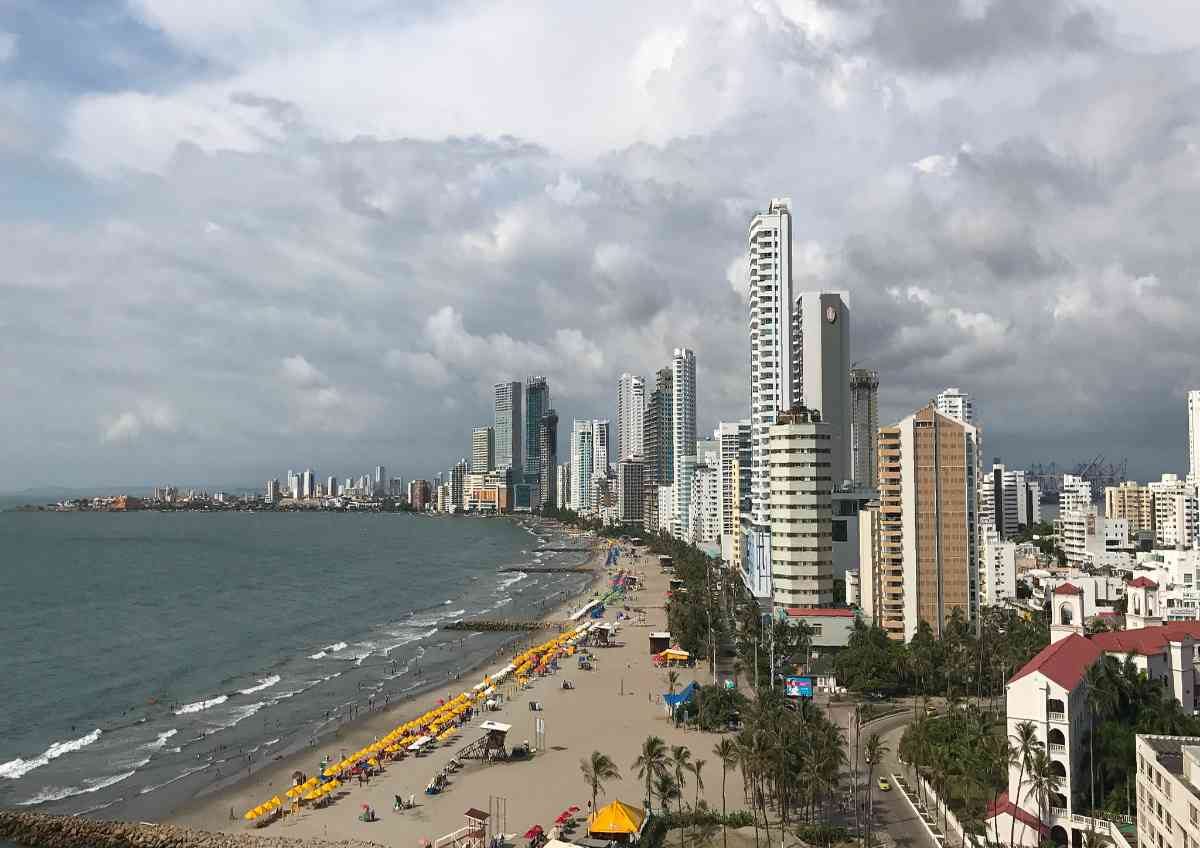
If you’re searching for things to do in cartagena colombia, there’s a good chance you’re trying to solve a very specific problem: what’s actually worth your time once the heat kicks in, the touts get chatty, and you realize the city is bigger (and louder) than the photos suggest. Cartagena can feel like two trips stitched together. One part is slow wandering inside the colonial walls and lingering in plazas. The other part is getting out on the water—because the Caribbean is right there, teasing you.
This guide is built for first-timers, repeat visitors who want to go beyond the obvious, and anyone planning a short stay (2–5 days) who still wants it to feel unrushed. It’s also honest in a way that’s useful: some “top” experiences are wonderful, and some are wonderful only if you choose the right version of them.
Things to do in Cartagena Colombia
Before stacking your days with activities, it helps to pick a pace. Cartagena rewards a little breathing room. The city’s best moments often happen in between plans—an unexpected courtyard, a street musician in Getsemaní, a sunset that turns the walls gold. Still, it’s nice to have a backbone plan, especially when the midday sun makes you question your life choices.
If you have 2 days
- Day 1: Walled City + a relaxed evening (rooftop sunset, then dinner).
- Day 2: Getsemaní in the morning or late afternoon + Castillo San Felipe + a low-key night (or salsa if you’re feeling brave).
If you have 3 days
Three days is the sweet spot for a “classic” Cartagena trip: you can do the historic core properly and still escape to the sea once.If you want a ready-to-follow schedule, use this as your planning companion: Cartagena itinerary 3 days.
If you have 4–5 days
This is where Cartagena starts to feel less like a checklist and more like a place.You can add a cultural day trip (like San Basilio de Palenque) or a nature outing (like La Boquilla mangroves), and you don’t have to sprint through museums just to say you went.
Walled City: wander first, “attractions” second
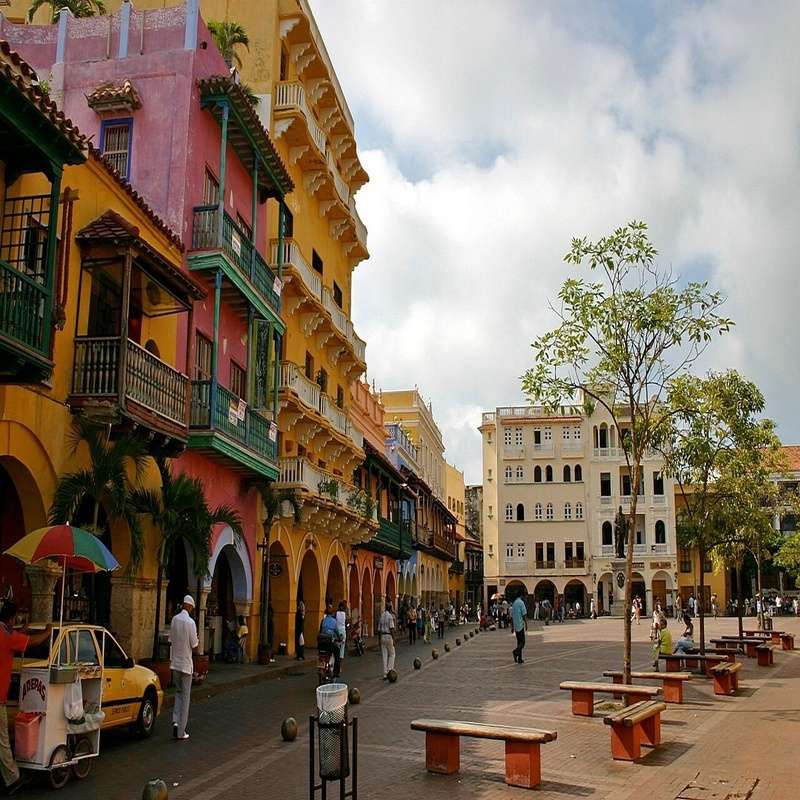
Cartagena’s Walled City (Centro Histórico) is not the kind of place that demands an aggressive itinerary. It’s better on foot, a little aimless, with a few anchors—plazas, churches, shady cafés—so you can duck out of the sun and reset.
Lonely Planet highlights the Walled City’s colorful streets and the way the architecture, music, and daily life blend together once you’re inside the walls.
A small note that feels obvious but matters: the best wandering is early morning and late afternoon. Midday is when many people end up doing “indoor Cartagena”—museums, long lunches, a nap, maybe a coffee stop—then re-emerging when the light softens.
Little stops that make the Walled City feel real
- Plaza de Bolívar for shade and people-watching, and to orient yourself before you start zig-zagging through side streets.
- Museums if you need air-conditioning and context; the Palacio de la Inquisición is often mentioned for its heavy colonial history and exhibits.
- A bookstore-café break (Ábaco Libros y Café is a well-known one) when you want something quieter than the street outside.
If you enjoy learning as you walk, a guided walking tour can be a smart “first morning” move, then you can revisit the streets you liked most later without the group. It’s not mandatory. But it can save you from that mild frustration of realizing you walked past something meaningful without knowing it.
Castillo San Felipe: do it once, do it properly
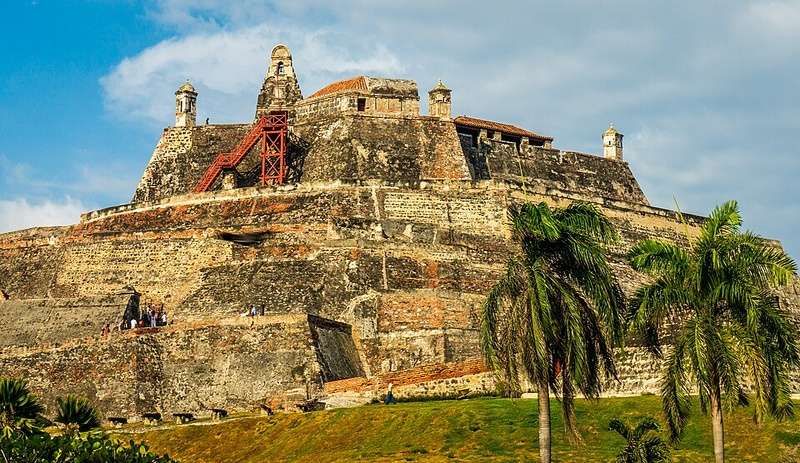
Castillo San Felipe de Barajas is Cartagena’s most iconic fortress, and it’s popular for a reason. It’s also the kind of sight that’s better with a bit of interpretation: the tunnels, the angles, the way it was designed to defend the city. Lonely Planet notes that signage can be limited and suggests using an audio guide or a tour guide to better understand the engineering and layout.
The “best time” question comes up a lot. Late afternoon can be lovely for views, but it can also be busy. If you want fewer people in your photos and a less crowded feel in the tunnels, go earlier—then plan your sunset somewhere else.
Getsemaní: street art by day, atmosphere by night
Getsemaní used to be described as “up-and-coming,” but that phrase doesn’t really capture it anymore. It’s lively, artsy, and sometimes a little chaotic—in a way that many travelers end up loving. Lonely Planet describes Getsemaní as a bohemian neighborhood known for street art, where daytime calm shifts into open-air bars and restaurants as night arrives.
Things to do in cartagena colombia at night (start in Getsemaní)
If you’re trying to build a fun night that doesn’t require committing to a massive party, Getsemaní is a good middle ground.Plaza de la Trinidad is the classic starting point, with a mix of travelers and locals and a “hangout” feel that’s easy to drop into. Lonely Planet calls out Plaza de la Trinidad as the neighborhood’s vibrant heart, especially in the evening.
From there, the night can go in a few directions: a rooftop cocktail, a salsa club, or just a long dinner where you keep saying “one more drink” and kind of mean it. If you want salsa specifically, Lonely Planet mentions Café Havana as a well-known option that fills up late, while smaller clubs can feel more local.
Choose your beach day (don’t just “book a boat”)
This is where people’s Cartagena trips can diverge wildly. Some travelers go to the islands and come back glowing, convinced it was the best day of their vacation. Others come back sunburned and slightly annoyed, feeling like they paid a lot to be herded around. The difference is usually the type of trip you chose, not the destination itself.
In plain terms: Cartagena’s urban beaches are convenient but not always tranquil. Lonely Planet notes that Bocagrande is accessible but crowded and vendor-heavy, while nearby options like Tierra Bomba or the Rosario Islands can offer a better beach-water experience.
Rosario Islands: the classic “Caribbean day”
The Rosario Islands are the most common choice for clear water near Cartagena, and they show up in essentially every serious guide. Cartagena Explorer emphasizes that to get the most “crystal clear water” experience, most visitors need to get out of the city and head to the Rosarios by boat.
A gentle reality check: island days are logistics days. You’ll want to confirm what’s included (lunch, snorkel gear, dock fees), how many stops are planned, and what “free time” actually means. It’s not about being suspicious; it’s about not being surprised.
Barú and Playa Blanca (worth it, but choose carefully)
You’ll hear “Playa Blanca” a lot. It’s famous. It’s also complicated. Some travelers still enjoy it—especially if they go early, set expectations, and keep the day simple. Others find it overcrowded or tiring. Cartagena Explorer specifically warns that Playa Blanca can be overcrowded and mentions vendor pressure as a downside compared with other options.
If your goal is relaxing, it often makes more sense to pick a calmer beach club or a less chaotic stretch of sand rather than chasing the most famous name. Famous does not always mean pleasant. I wish it did.
Tierra Bomba: short ride, skyline views
Tierra Bomba is closer to the city, which makes it appealing when you don’t want a long boat ride. Lonely Planet notes Tierra Bomba as an option from the Cartagena area for a nicer beach experience, including private beach clubs with day passes. It won’t always have the same turquoise-water look as the Rosarios, but it can be an easier, lower-effort beach day.
Sunset: walls, rooftops, or a cruise
Cartagena sunsets are not subtle. They’re full-on, and if you catch a good one, it can reset your mood for the entire evening. Lonely Planet calls out sunset cocktails as a Cartagena tradition, with rooftops and wall-top spots offering prime views.
There are three common ways to do sunset, and honestly, none of them are wrong: pick a rooftop (more comfortable), sit on the walls (more iconic), or do a sunset cruise (more of an “event”). The only real mistake is over-scheduling your late afternoon so you end up rushing into sunset already stressed.
Food: street snacks, seafood, and the market question
Cartagena is a strong food city, and the best meals often aren’t the fanciest ones. Lonely Planet highlights both higher-end dining and the city’s street food culture, including staples like arepa de huevo, patacones, and fried snacks you’ll see in plazas and on corners. This is one of those places where a casual snack can unexpectedly become the meal you remember.
Street food without overthinking it
- Start with something hot and freshly cooked (arepas, fritters, patacones) instead of anything that looks like it’s been sitting too long.
- Carry small cash; it keeps transactions simple and avoids that awkward “can you break this?” moment.
- Trust your appetite, but also trust your pacing—street food is more fun when it’s not rushed.
Mercado Bazurto: go with intention
Mercado Bazurto comes up in a lot of serious Cartagena writing because it’s intense and memorable. Lonely Planet describes it as chaotic and sensory, but also rewarding for travelers who want to see beyond the tourist bubble and try local foods and fruits. It’s not a “quick pop-in,” though. If you’re curious, consider going with a guide so you can focus on learning and tasting rather than navigating.
La Boquilla: mangroves and a quieter edge of the city
When Cartagena starts to feel hot and busy, La Boquilla can be a nice reset. Lonely Planet describes La Boquilla as a fishing village on the city’s northeastern edge and points out it’s also a jumping-off point for mangrove tours. This is the Cartagena day that feels more nature-forward and less “tourist monument.”
Mangrove tours are especially good if you’ve already done a lot of walking in stone streets and you want a different texture to the trip—water, shade, birds, and slower conversation. It’s a gentle adventure. Not dramatic. That’s part of why it works.
Culture day trips: Palenque and Totumo (optional, but memorable)
Not every Cartagena trip needs day trips. But if you have the time, adding one “outside the city” day can deepen the experience. Cartagena Explorer highlights San Basilio de Palenque as a meaningful cultural visit, often framed around learning about Afro-Colombian heritage and history beyond the walled-city narrative.
Then there’s Totumo Mud Volcano, which is… divisive. People either laugh and book it immediately, or they look at photos and say, “Absolutely not.” If you’re curious, it can be a quirky half-day experience, especially when paired with other nearby stops, and it’s commonly sold as a guided tour from Cartagena.
Practical safety and comfort (calm, not paranoid)
The best trips are the ones where you don’t spend mental energy worrying. Cartagena Explorer has an entire safety-focused resource and emphasizes practical habits—staying aware, choosing where you walk at night, and avoiding situations that feel off rather than trying to “win” them.
A few comfort-first habits that tend to make Cartagena easier:
- Use taxis or rides at night for longer distances, especially if streets are quiet.
- Be polite but firm with vendors; a simple “no, thank you” and continuing to walk is usually enough.
- Hydrate more than you think you need to, and build in an air-conditioned break mid-day.
Where to stay (quick guidance, not a dissertation)
Where you stay shapes the trip more than people expect. If you want to walk everywhere and prioritize charm, the Walled City is the obvious choice, though it can be pricier. Getsemaní can feel more social and creative, with easier access to nightlife, while Bocagrande is more modern and “beachfront city,” which some travelers like and others find less atmospheric. Lonely Planet describes Bocagrande as a high-rise beach strip often compared to Miami Beach, which is a useful reference point if you’re deciding on vibe.
One small contradiction that’s still true: staying in the center can be noisier, but it can also reduce the need for late-night transport. So sometimes “quieter” neighborhoods create more logistics, and sometimes “busy” neighborhoods create more peace of mind. It depends on how you travel.
A realistic 3-step planning approach
- Pick your core trio: Walled City + Getsemaní + one water day (Rosarios or a simpler beach option).
- Add one “personal” day: history-heavy (fort + museums), food-forward (street food + Bazurto with a guide), or nature-forward (La Boquilla mangroves).
- Leave one open slot: for weather, energy, or the thing you hear about over dinner that you suddenly want to do tomorrow.
Conclusion
Cartagena is at its best when it’s not rushed: slow mornings in the Walled City, an unhurried afternoon in etsemaní, and at least one day where the sea is the main plan. If something feels too complicated to organize, simplify it rather than forcing it—especially with island tours, where the “best” option is usually the one that fits your style. And if this guide did its job, you now have a clear shortlist of things to do in Cartagena Colombia that can actually fit into your trip without turning it into a marathon.