
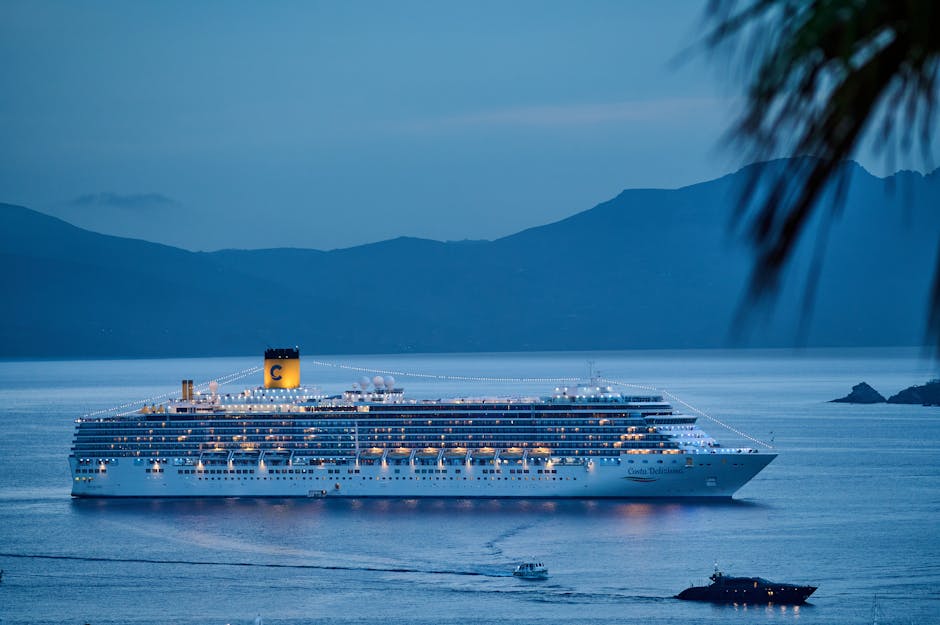
The cruise industry in 2026 is defined by a fundamental paradox: while vessels are becoming larger and more technologically complex, the focus on hyper-local, sustainable exploration has never been more intense. This “Great Rebalancing” means that travelers can no longer approach a cruise vacation with a one-size-fits-all mentality. Planning for the 2026 season requires a sophisticated understanding of how new environmental regulations, such as the expansion of Emission Control Areas (ECAs), are dictating ship deployments and influencing ticket prices. Travelers planning for the 2026 cruise season will find that the most significant advantage lies in booking exactly 18 to 22 months in advance. Data from the previous three years indicates that early-bird pricing for inaugural sailings of new vessels typically rises by 24% within six months of the itinerary release. If you are targeting a specific cabin category—particularly the high-demand aft-facing balconies or specialized family suites—waiting until 2026 to secure a 2026 slot will likely result in higher costs and fewer options.
When to book 2026 cruises for the best value and cabin selection
The 2026 booking cycle is heavily influenced by the “Wave Season” of early 2026. Historically, cruise lines release their most aggressive promotions between January and March. However, for 2026 departures, waiting for Wave Season can be a tactical error for high-demand routes like the Mediterranean or Japan. We are seeing a trend where the lowest lead-in prices are actually appearing the moment the itineraries are loaded into the central reservation systems, often two years out. For 2026, this means the window is already open for many major lines. By booking early, you aren’t just securing a lower price; you are essentially taking an interest-free option on a vacation that can be canceled or modified before the final payment date, which usually falls 90 to 120 days before departure.
Furthermore, the 2026 season sees the introduction of “tiered loyalty releases,” where past guests get a 7-to-14-day head start on booking new ships like the Star of the Seas. If you are a first-time cruiser, you may find that the most desirable “hump” balconies (those on the curved part of the ship offering wider views) are gone before the general public even gains access. To counter this, many savvy travelers are booking “placeholder” cruises in 2026 or 2026, which often grants them early access to 2026 inventory and reduced deposit requirements.
Financial planning for these trips should account for the rising cost of port fees and taxes, which are often not included in the headline price. In 2026, several European ports, including Venice and Amsterdam, are expected to implement higher environmental surcharges for non-LNG (Liquefied Natural Gas) powered vessels. To manage these costs, using a travel-focused financial tool is advisable. For instance, the Revolut Premium Account (approximately $9.99 per month) offers wholesale exchange rates and integrated travel insurance. A major pro is the ability to hold and exchange 30+ currencies, allowing you to pay for shore excursions in local denominations without predatory conversion fees. It also includes a “Vaults” feature that allows you to round up spare change into a dedicated “Cruise Fund” earning competitive interest. A notable con is the monthly subscription fee, which may not be justifiable if you only travel once a year, and the fact that the insurance coverage has specific age and residency restrictions that must be audited before travel.
Comparison of 2026 Booking Windows and Market Volatility
| Region | Ideal Booking Window | Price Volatility Risk | Availability Concern | Best Month to Sail |
|---|---|---|---|---|
| Caribbean | 12-14 Months | Moderate | Low (High Capacity) | May or November |
| Mediterranean | 18-20 Months | High | High (Port Restrictions) | June or September |
| Alaska | 15-18 Months | High | Moderate (Short Season) | July (Wildlife Peak) |
| Antarctica/Arctic | 24 Months | Extreme | Critical (Small Ships) | January (Antarctic) |
| Japan/East Asia | 20-22 Months | Very High | High (Seasonal) | April (Blossoms) |
Another factor to consider is the impact of the 2026 FIFA World Cup in North America. Ports in cities like Vancouver, Miami, and New York will likely see a surge in hotel prices and logistical congestion during June and July 2026. If your cruise departs from these hubs during the tournament, you must secure your pre-cruise accommodation at the same time you book your cabin. Failure to do so could result in hotel costs that rival the price of the cruise itself. Data suggests that hotel inventory within 10 miles of major stadiums is already being blocked out by corporate sponsors, leaving fewer rooms for cruise passengers.
New cruise ships launching in 2026 and their standout features
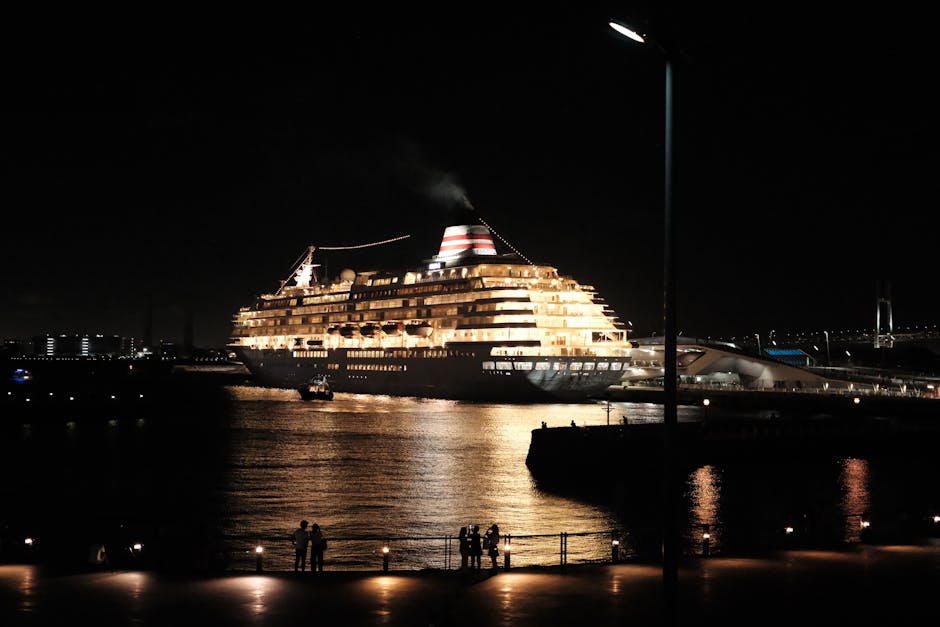
The 2026 fleet expansion is characterized by a drive toward “thematic immersion.” Cruise lines are no longer just building ships; they are building floating intellectual properties. Leading the charge is the Disney Destiny, a sister ship to the Disney Wish and Disney Treasure. This vessel will focus on the “Heroes and Villains” of the Disney universe, featuring a grand hall inspired by the vibrant colors and lore of Black Panther‘s Wakanda. This vessel will displace approximately 144,000 gross tons and accommodate 4,000 passengers. The draw here is the storytelling integration, with interactive dining experiences that change the room’s atmosphere based on the “villain” of the night. However, the trade-off is often a higher price-per-square-foot compared to more traditional luxury lines, and the ship’s heavy reliance on the Disney Navigator app can be frustrating for those looking for a “digital detox.”
Royal Caribbean continues its dominance in the mega-ship category with the Star of the Seas. Following the record-breaking Icon of the Seas, the Star will feature distinct “neighborhoods” designed to distribute crowds. For the researcher, the most interesting aspect of this ship is its fuel system. It is designed to run on LNG, significantly reducing sulfur emissions. However, the sheer size of these ships—over 250,000 gross tons—means they are limited in the ports they can visit. If you want to see the hidden gems of the Greek Isles, a ship of this scale is a poor choice, as you will be relegated to the massive industrial ports of Piraeus or Civitavecchia. The Star of the Seas will also feature the “Category 6” waterpark, the largest at sea, which includes six record-breaking slides. While impressive, these amenities often lead to long wait times during sea days, requiring guests to utilize “virtual queue” systems.
Key Ships Entering Service in 2026
- Norwegian Luna: Part of the Prima Plus class, this vessel focuses on expanded outdoor space and a more upscale, “resort-style” aesthetic. It features the “Aqua Slidecoaster,” a hybrid rollercoaster and waterslide. Price point: Mid-to-high. Pro: Excellent specialized dining and the largest “Haven” luxury suite complex in the fleet. Con: Many of the most popular amenities, like the go-kart track, require additional surcharges that can inflate the daily cost by $50-$100.
- Celebrity Cruises (Edge Class Fifth Ship): While yet to be officially named for 2026, the fifth Edge-class ship will likely refine the “Infinite Veranda” concept. Pro: Modern, outward-facing design and the “Magic Carpet” cantilevered platform. Con: The “Infinite Veranda” rooms can feel more like a sunroom with a window than a traditional open-air balcony, which some traditionalists dislike.
- Orient Express Silenseas: A pivot toward ultra-luxury sailing, utilizing three massive solid sails (SolidSail) alongside traditional engines. Pro: Unmatched sustainability and a 1:1 guest-to-staff ratio. Con: Extremely high entry price, often exceeding $2,000 per person, per night.
Technological integration on these ships will reach new heights in 2026. Expect wearable technology to move beyond just door locks. New systems will track guest preferences in real-time, adjusting lighting and temperature in cabins based on historical data. For the tech-savvy traveler, this requires robust hardware. The Samsonite Winfield 3 DLX Hardside Luggage (approx. $190) is a solid choice for protecting your electronics during the chaotic embarkation process. This 20-inch carry-on weighs only 6.9 lbs and features a 100% polycarbonate shell. A significant pro is its impact-resistant shell and four multi-directional spinner wheels that make navigating narrow ship corridors easy. A con is that the high-gloss finish shows scratches almost immediately, and the internal compression system is somewhat basic compared to premium brands like Rimowa.
To keep these gadgets charged, the Anker 737 Power Bank (approx. $130) is an essential retail addition. It offers a 24,000mAh capacity and 140W fast-charging output, enough to charge a MacBook Air or three smartphones simultaneously. Pro: The digital display shows remaining power and recharge time. Con: It is relatively heavy (1.4 lbs), which may be a concern for those trying to stay under strict airline carry-on weight limits.
Top 2026 cruise destinations and regional travel requirements
Destination trends for 2026 show a marked shift toward Japan and the Northern Pacific. As travelers look for alternatives to the overcrowded ports of Western Europe, Japan’s seasonal cherry blossom and autumn foliage cruises have become the new gold standard. These itineraries often include stops in South Korea and Taiwan, offering a dense cultural experience. However, navigating these regions requires meticulous attention to visa requirements and connectivity. In 2026, the ETIAS (European Travel Information and Authorisation System) will be fully operational, meaning even “visa-free” travelers to Europe will need to pre-register and pay a fee before arriving at a Mediterranean port. This authorization is valid for three years, but must be updated if you receive a new passport.
The Arctic and Antarctic regions are also seeing a surge in “expedition” cruising. These are not your standard luxury trips; they require specialized gear and a high tolerance for itinerary changes based on weather. The 2026 season will see more purpose-built polar class vessels than ever before. These ships use dynamic positioning systems to hover over sensitive seabeds without dropping anchors, a crucial feature for environmental protection. Travelers should be aware that these cruises often have a “mandatory” gear list. To mitigate noise in the shared spaces of these smaller expedition ships, the Sony WH-1000XM5 Noise Cancelling Headphones (approx. $399) are highly recommended. Pro: Industry-leading noise cancellation and a 30-hour battery life. Con: They do not fold as compactly as previous models, taking up more space in a backpack.
“The 2026 season marks the first time that environmental regulations in the Mediterranean will strictly limit the number of daily passengers in ports like Santorini and Mykonos. Travelers must prioritize ships that have secured ‘berth priority’ or risk being diverted to less popular mainland ports, which can drastically change the value proposition of a luxury itinerary.”
Connectivity remains a pain point for many cruisers. While Starlink has revolutionized shipboard Wi-Fi, the costs remain high, often exceeding $25 per day for a single device. A more analytical approach involves using an eSIM for port days. The Airalo Discover Global eSIM (prices vary, roughly $35 for 5GB/30 days) allows you to maintain data connectivity in over 130 countries. The primary pro is the elimination of roaming charges and the convenience of instant activation via an app. The con is that it provides data only, meaning you cannot receive traditional SMS or phone calls on your primary number without incurring fees from your home carrier. For 2026, Airalo has introduced a “Global” plan that includes 20GB of data, which is ideal for those on 14-day back-to-back itineraries.
Sustainable Cruising: Navigating the 2026 Green Regulations
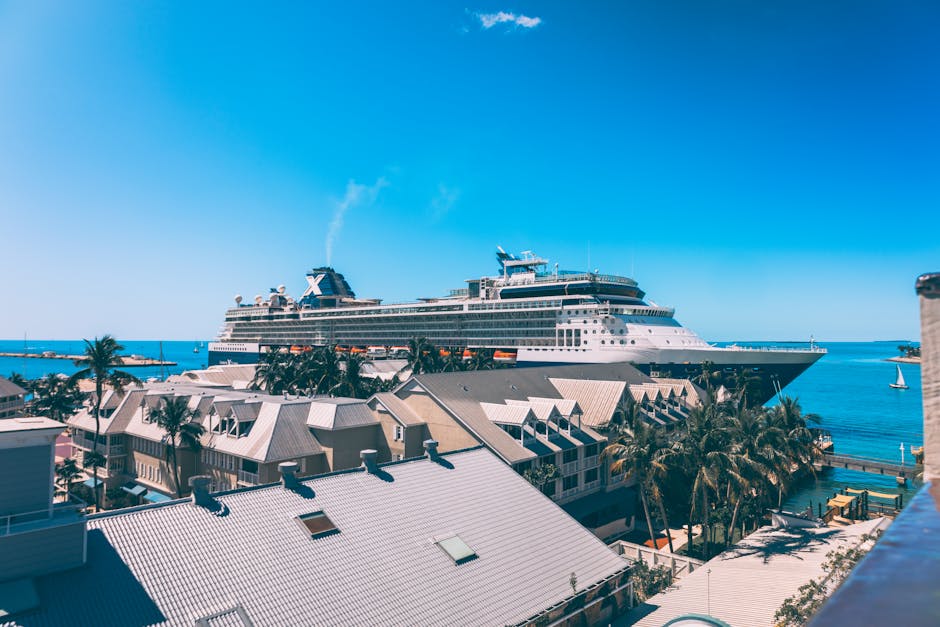
By 2026, the cruise industry’s commitment to the “Net Zero by 2050” goal will manifest in tangible changes for passengers. Many ships will be required to plug into “Shore Power” while docked in major ports like Seattle or Barcelona. This reduces local air pollution but can sometimes lead to temporary power limitations onboard for high-draw appliances like laundry services. Furthermore, 2026 marks the widespread introduction of “Biofuel Trials” on several European-based lines. While this is a win for the environment, the higher cost of sustainable marine fuels is being passed on to consumers via “Sustainability Surcharges,” often ranging from $5 to $15 per person, per day.
Travelers should also expect a more aggressive stance on single-use plastics. While many lines have already removed straws and water bottles, 2026 will see the removal of small plastic condiment packets and the introduction of “Digital Menus” as the default, with paper menus only available upon request. This shift toward a “Paperless Ship” requires guests to be comfortable with mobile technology. If you are not tech-savvy, 2026 might be the year to invest in a basic tablet to make navigating the ship’s daily schedule and dining reservations more manageable.
How to manage connectivity and finances on a 2026 cruise
Managing a multi-country itinerary in 2026 requires a more sophisticated approach than simply carrying a credit card. The move toward cashless environments on ships is absolute, but shore-side reality is different. In many Japanese or Greek island ports, small vendors still prefer local currency for low-value transactions. A dual-strategy of a high-limit travel credit card for the ship’s folio and a digital-first bank like Revolut for port spending is the most efficient method. Ensure your primary card has no foreign transaction fees, as the 3% surcharge applied by many standard cards can add hundreds of dollars to a 14-day cruise budget.
Connectivity strategies must also account for the “dead zones” of the open ocean. Even with satellite internet, the latency can make video conferencing difficult. If you are a remote worker planning to cruise in 2026, look for ships that offer “Premium” or “Pro” internet tiers, which prioritize bandwidth for specific applications. Be skeptical of “Free Wi-Fi” marketing; this usually refers to a base tier that only allows for text-based messaging. Always read the fine print regarding data caps, as some lines have begun throttling speeds after a certain daily threshold is reached.
- Verify ETIAS Status: If cruising in Europe, ensure your authorization is linked to your passport at least 30 days before departure. The system is automated, but manual reviews can take up to two weeks.
- Download Offline Maps: Use Google Maps or similar apps to download port city data while on the ship’s Wi-Fi to save data on land. This is especially critical in Japan, where street naming conventions can be confusing.
- Audit Your Insurance: Standard health insurance rarely covers medical evacuation from a ship. A dedicated policy like Allianz Global Assistance is recommended. Pro: High coverage limits for emergency airlift (up to $1M). Con: Can be expensive for travelers with pre-existing conditions or those over the age of 75.
- Check Power Standards: While new 2026 ships often include USB-C and international outlets, older ships being refurbished for 2026 may still require adapters. Carrying a universal travel adapter with built-in surge protection is a non-negotiable.
Finally, the psychological aspect of 2026 cruising should not be overlooked. With ships getting larger and ports getting more crowded, the “private island” experience is becoming a centerpiece of Caribbean itineraries. Royal Caribbean’s Perfect Day at CocoCay and Disney’s Lookout Cay at Lighthouse Point offer controlled environments where your shipboard account works on land. These destinations are highly optimized for efficiency, but they lack the authentic cultural interaction of a traditional port. If your goal is true exploration, look for itineraries that spend more than 10 hours in port or offer overnight stays in cities like Tokyo, Istanbul, or Barcelona. The 2026 season offers more of these “intensive” itineraries than ever before, catering to the growing demographic of travelers who view the ship as a means of transport rather than the destination itself.
In summary, the 2026 cruise landscape is one of extremes. You can choose the high-energy, tech-laden environments of the new mega-ships or the quiet, sustainable luxury of the expedition fleet. The key to navigating this choice is early research, a clear understanding of the total cost of ownership—including port fees, sustainability surcharges, and specialized gear—and a proactive approach to the new digital bureaucracy of international travel. By securing your 2026 cabin now and utilizing modern financial and connectivity tools, you can ensure that your vacation remains a source of relaxation rather than logistical stress.