
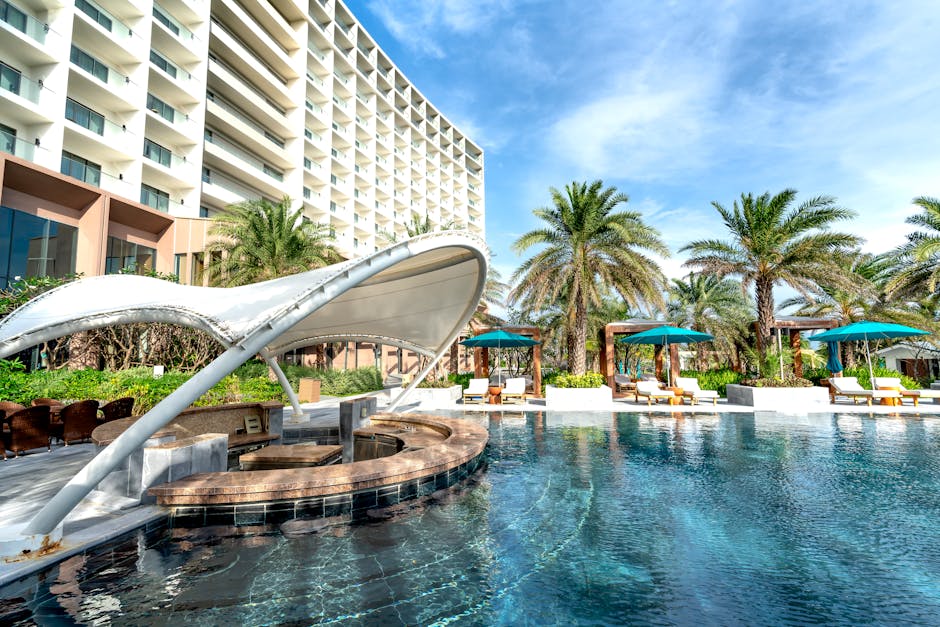
There’s a specific disappointment that hits when you arrive at a “five-star” Algarve resort in August and find 400 other guests competing for sun loungers by a pool that smells faintly of a public leisure centre. The brochure promised quiet cliffs and Atlantic views. What you got is a large hotel with marble floors and a €28 gin and tonic.
Portugal has genuinely exceptional luxury accommodation. But the gap between the resorts that earn that label and the ones simply borrowing it is wide. After spending time across the Algarve, the Douro Valley, Comporta, and the Alentejo interior, here’s what actually holds up.
How the Algarve’s Top Luxury Resorts Actually Compare
The Algarve remains Portugal’s most concentrated luxury resort market. Four properties consistently come up in serious conversations about five-star quality — and they are not interchangeable.
| Resort | Location | Price/Night (2026) | Best For | Key Weakness |
|---|---|---|---|---|
| Conrad Algarve | Quinta do Lago | €550–€1,100 | Golf, families, corporate groups | Feels corporate; lacks soul |
| Anantara Vilamoura | Vilamoura Marina | €380–€750 | Couples, spa-focused stays | Marina noise in peak season |
| Bela Vista Hotel & Spa | Portimão | €350–€650 | Adults wanting boutique feel | Beach access requires a short walk |
| Pine Cliffs Resort | Albufeira | €400–€900 | Families, cliff scenery | Very large; impersonal at scale |
My honest verdict: the Bela Vista Hotel & Spa punches hardest on character. It’s a converted 1930s mansion with only 36 rooms, a Michelin-starred restaurant, and a rooftop terrace that looks directly onto the Atlantic. The Conrad and Pine Cliffs are fine if you need the amenities and aren’t bothered by scale. The Anantara is a solid middle ground but the marina noise was genuinely disruptive during a July stay — request an upper-floor, inland-facing room if you book it.
The Quinta do Lago ecosystem
Quinta do Lago deserves its own mention. The estate houses multiple high-end properties — the Conrad, the Quinta do Lago Hotel itself, and a large villa rental stock — set around three golf courses and a lagoon. Staying at the Conrad gives you access to cycling trails, watersports, multiple restaurant concepts, and the Quinta do Lago spa. For golf-focused couples or families where different members want different activities, this is one of the stronger multi-amenity luxury setups in the country.
When the Algarve works — and when it doesn’t
May, June, September, and October are genuinely excellent months to be here. Prices drop 20–40% from peak August rates, the beaches are uncrowded, and the light is extraordinary. The experience you paid for actually materializes. Book the Algarve for August expecting exclusivity and you will leave frustrated; book it for late September and you will wonder why anyone goes in summer.
Six Senses Douro Valley Is the Clearest Single Pick in Portugal
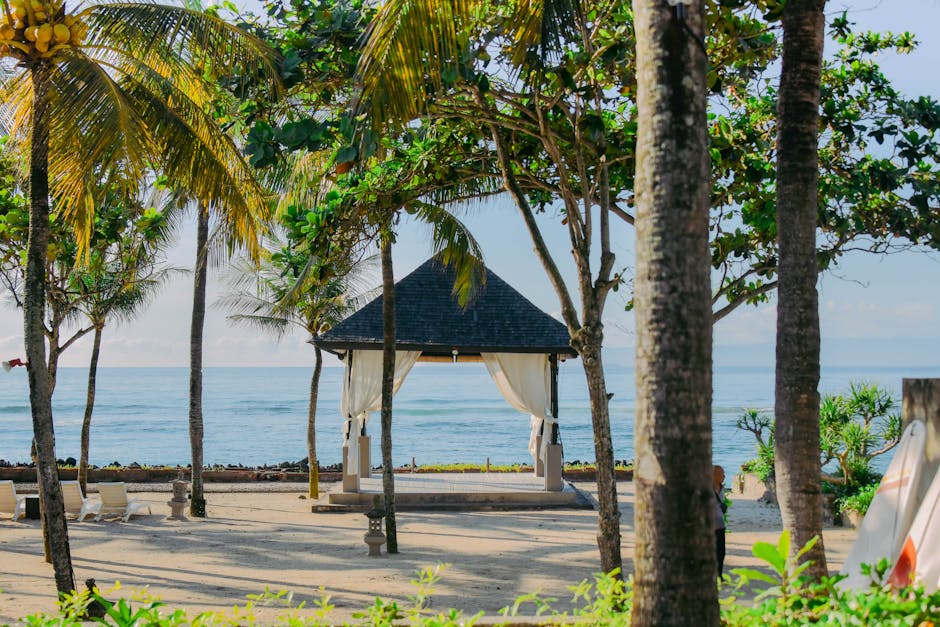
If there is one recommendation to make, it’s this: book the Six Senses Douro Valley in Lamego before you consider anywhere else in the country.
That’s not a reflexive high-end brand endorsement. The Six Senses global brand is hit-and-miss depending on location — some properties coast on the name. The Douro property works because the setting does the heavy lifting before you even check in. You’re in a converted 19th-century wine estate terraced into a hillside above the Douro River, surrounded by vineyards classified as a UNESCO World Heritage Site. The views from the infinity pool are not manufactured. They’re just what’s there.
Rooms run €600–€950 per night depending on season and room category. The entry-level Douro Valley rooms are worth it without hesitation. Upgrading to a vineyard suite — a private terrace directly above the vine rows — makes sense if you’re celebrating something specific and want the premium to be visible every morning.
What the Six Senses actually delivers
The spa is the brand’s calling card and the Douro property executes it properly: 3,000 square metres across two floors, heated indoor and outdoor pools, and a wellness programme that can be as intensive or as hands-off as you want. The on-site wine blending experience — two hours with the estate winemaker, you leave with a labelled bottle of your own blend — sounds gimmicky but turns out to be one of the better resort activities in Portugal. No hard sell, no theatre. Just a proper tasting and a skilled guide.
Dining centres on the Terroir restaurant, sourcing produce from the estate’s organic gardens. Budget roughly €90–€130 per person for dinner with wine. The river-fish dishes and the wine list, which leans heavily into Douro varieties, are both standout.
The logistical reality of getting there
Lamego sits about 1 hour 45 minutes from Porto airport by car. There’s no practical public transport option, so factor in a rental car or a pre-arranged transfer — the resort offers transfers at around €150 each way from Porto. The distance is partly what makes the property feel genuinely isolated, which is the point. But plan the logistics before you book. Summer availability fills 3–4 months ahead. If you’re targeting June through September, lock in dates early or you won’t find the room type you want.
Comporta: The Correct Answer for Understated Luxury
Comporta sits about 90 minutes south of Lisbon on the Setúbal Peninsula — rice fields, cork oak forest, and some of the emptiest beaches in western Europe. It has a specific character: quiet, genuinely expensive, and unpretentious about its own exclusivity.
The anchor luxury property is Sublime Comporta, a collection of 33 cottages spread across pine forest near the dunes. Rates start around €500 and climb to €900+ for larger cottages in peak season. What you’re paying for isn’t a sprawling facilities list — there’s a good pool, a respected restaurant, and a spa — it’s the forest setting and the near-total absence of crowds at any time of year.
A newer alternative, Dunas do Comporta, opened in 2026 and takes a more design-forward approach. The rooms feel like a contemporary art hotel rather than an eco-retreat, with cleaner lines and a slightly younger aesthetic. Rates sit at €450–€800, depending on season. Both properties attract a mix of Lisbon weekenders and European visitors who’ve deliberately bypassed the Algarve.
What Comporta doesn’t offer — and why that might be fine
There’s no golf, no sprawling spa complex, no organized resort activities. The beach — Praia de Comporta — is a 10-minute drive from both properties. You park, walk over a dune, and have several kilometres of Atlantic coastline with a few hundred people on it even in peak July. If your idea of luxury involves a 40-page spa menu and a beach butler, Comporta isn’t delivering that. If your idea of luxury is grilled fish, a bottle of Vinho Verde, and a horizon with nothing on it, it delivers completely.
What Luxury Actually Costs in Portugal: Three Direct Questions
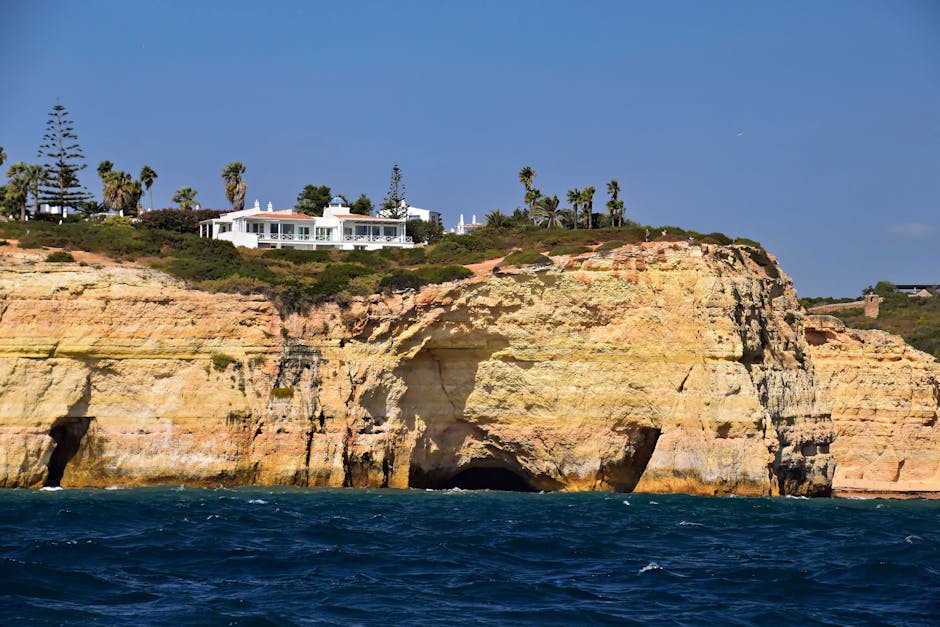
Is €400 per night genuinely luxury in Portugal?
Yes. At that price point you’re getting genuine five-star quality across most Portuguese regions outside of peak August. The €400–€600 range covers properties like the Bela Vista (Algarve), The Yeatman in Porto — a wine-focused hotel above Vila Nova de Gaia with direct views across the river to Porto’s skyline, rooms from around €380 — and lower-category rooms at Sublime Comporta. Below €400, you’re mostly in the premium four-star bracket. Still excellent hotels, just not the same level of space, service ratio, or setting quality.
When does pricing spike and what does that mean for planning?
August adds 35–60% to room rates across all luxury properties. The Algarve and Lisbon-adjacent coastal spots see the most dramatic jumps. The Douro Valley and Alentejo interior are more insulated — expect 20–30% premiums in August rather than 60%. The best value window is late May to mid-June or mid-September to mid-October: peak quality, significantly lower rates, and the strongest weather-to-price ratio in the calendar.
What’s included in room rate versus charged separately?
Most Portuguese luxury resorts price rooms without breakfast included. At Six Senses Douro Valley, add roughly €45–€55 per person per morning. Spa facility access is typically included in the room rate; individual treatments are charged separately at €120–€180 for a 60-minute session. Resort fees are not standard practice in Portugal the way they are in the United States — you’re generally paying room rate, food and beverage, and treatments as separate line items, which makes budgeting more transparent.
São Lourenço do Barrocal Is the Alentejo’s Correct Answer
If the Algarve is too crowded and the Douro Valley is too far from the south, São Lourenço do Barrocal near Monsaraz is the booking. A renovated 19th-century farming estate with 22 cottages spread across working orchards and vineyards, rates sit at €480–€750 per night. No beach. No queue for anything. No background noise beyond cork oak and the estate’s livestock. This is the property for couples who have done the Algarve and want something fundamentally different — and quieter.
Six Mistakes That Make Luxury Portugal Feel Average
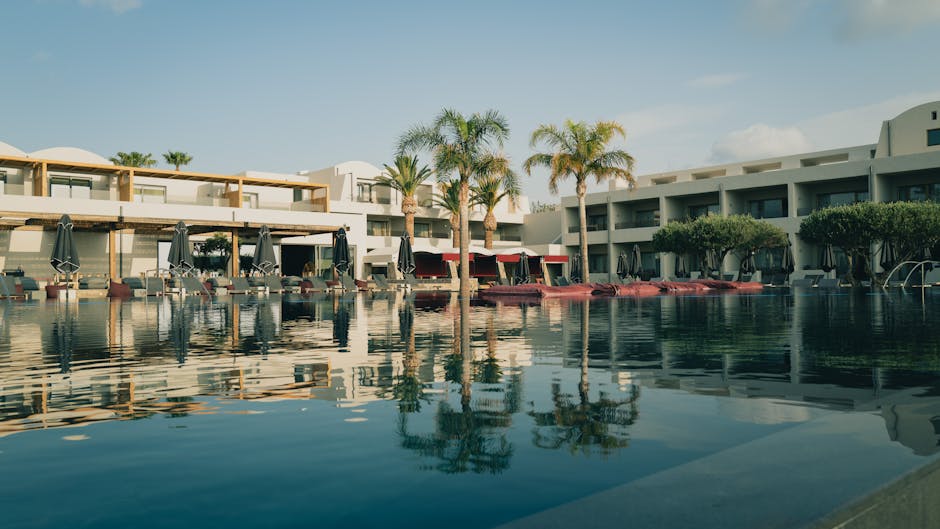
- Booking August without expecting density. No room rate buys the Algarve in August free of crowds. The resorts control what’s inside their fence. The broader infrastructure — beaches, roads, restaurants — doesn’t scale with your nightly rate.
- Treating five-star ratings as uniform quality signals. Portugal’s official hotel classification system gives the same five-star rating to a 30-room boutique estate and a 400-room resort complex. The rating tells you about declared facilities. It tells you nothing about character, density, or whether the experience matches the price.
- Defaulting to the Algarve without considering alternatives. The Douro Valley, Comporta, and Alentejo are all less obvious — and all better for specific traveller types. The Algarve’s dominance in search results reflects marketing spend, not a quality advantage over the rest of the country.
- Booking the most recognisable name in a region without checking newer alternatives. Pine Cliffs and the Hilton Vilamoura carry strong name recognition. The Bela Vista and Anantara Vilamoura have both been more recently renovated and currently deliver better experiences at comparable or lower price points.
- Underestimating transfer costs to remote properties. Six Senses Douro Valley and São Lourenço do Barrocal both require a car or a paid transfer. A €150 each-way transfer adds €300 to the total cost of a stay. That’s straightforward to absorb — but it’s a surprise if you haven’t planned for it.
- Accepting half-board packages by default. Some Alentejo estates quietly push half-board inclusions. At an isolated property 40 minutes from the nearest town, this can make clear sense. At an Algarve resort within walking distance of 15 restaurants, you’re usually paying for flexibility you won’t use. Read what the package actually covers before accepting it.
The person who arrived at that Algarve mega-resort in August, waiting for a sun lounger and questioning the bill — the fix was never a larger budget. It was a different property, a different region, or a different month. Book the Bela Vista in September, or three nights at Six Senses Douro in June, and the stay those brochures were describing actually exists.