
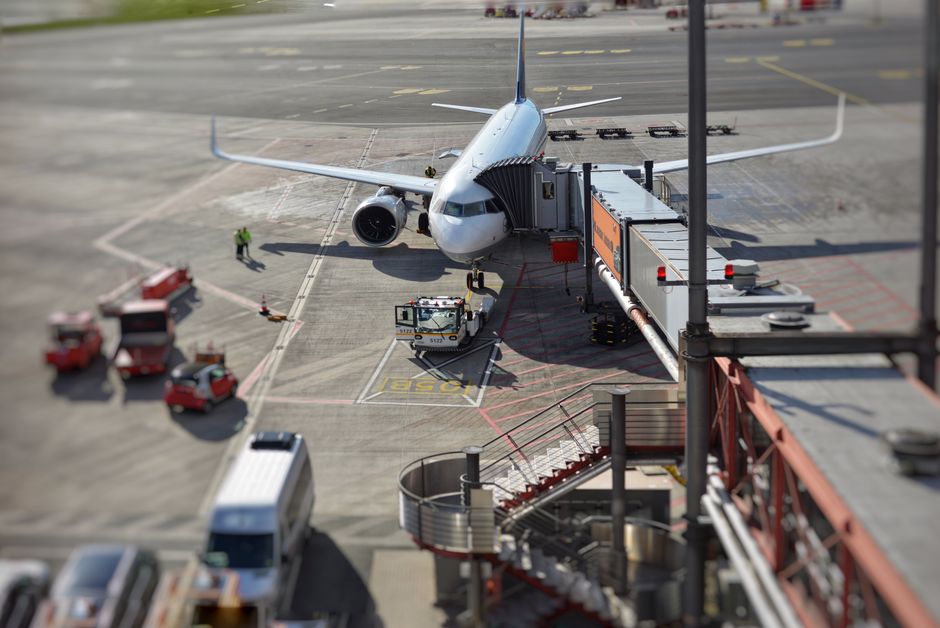
Manila’s Ninoy Aquino International Airport (NAIA) processed over 45 million passengers in 2026 and the number keeps climbing. Yet the airport still operates four separate terminals that are not connected by any train or shuttle bus that runs airside. If you book a connection through Manila assuming you can just walk to the next gate, you are about to have a very expensive lesson in Philippine airport logistics.
This guide breaks down the actual terminal system, the fees you pay in cash, and the specific mistakes that cost travelers time and money. I am not going to tell you to “arrive early” without telling you how early and why.
The Terminal Problem: NAIA Is Four Airports Pretending to Be One
NAIA has four passenger terminals: Terminal 1, Terminal 2, Terminal 3, and Terminal 4. They are physically separate buildings. There is no airside connection between any of them. If you land at Terminal 1 and your next flight leaves from Terminal 3, you must clear immigration, collect your bags, exit the building, and take a landside transfer through Manila traffic.
That transfer takes 20 to 40 minutes by car depending on the time of day. During the 5 PM to 8 PM rush, it can take an hour. The airport runs a free shuttle bus called the NAIA Terminal Transfer Service, but it operates on a schedule that is not published reliably and the bus itself gets stuck in the same traffic.
Which airline uses which terminal changes occasionally, but as of early 2026 the split looks like this:
| Terminal | Airlines (Primary Users) | Notes |
|---|---|---|
| Terminal 1 | Philippine Airlines international arrivals, most foreign carriers (Emirates, Qatar, JAL, Korean Air) | Oldest terminal, recently renovated but still cramped |
| Terminal 2 | Philippine Airlines domestic and international departures | PAL’s dedicated terminal, split into two wings |
| Terminal 3 | Cebu Pacific, AirAsia, ANA, Singapore Airlines, Cathay Pacific, most other international carriers | Newest and largest terminal, best facilities |
| Terminal 4 | AirSWIFT, SkyJet, some Cebu Pacific turboprop flights | Small domestic terminal, no jet bridges |
Bottom line: If your itinerary has a connection in Manila on two different airlines, assume you need at least 4 hours between flights. If it is a self-transfer (two separate bookings), assume 5 to 6 hours minimum. Anything less and you are gambling.
Terminal Fees: What You Pay in Cash and When
Philippine airports charge a terminal fee, sometimes called a passenger service charge. The rules changed in 2026 and many online guides still have the old information. Here is what actually applies now.
For international departures, the terminal fee is now integrated into your ticket price for flights booked after the change. You do not pay anything at the airport. If you booked a ticket before the integration date or through certain third-party platforms, you may still need to pay at a dedicated counter before security. The fee is PHP 550 for international departures.
For domestic departures, the fee is PHP 150 to PHP 300 depending on the airport and is usually included in the ticket. At smaller airports like Puerto Princesa or Coron, you sometimes still pay cash at a counter before entering the departure area.
The real trap is the travel tax. This is separate from the terminal fee. Philippine citizens and permanent residents must pay a travel tax of PHP 1,620 for economy class international departures. Foreign nationals who have been in the Philippines for less than one year are exempt. If you are a foreigner who has stayed longer than one year, you may be assessed the tax. Airlines sometimes collect this at check-in, but at some airports you pay at a separate TIEZA counter. If you do not have the receipt, you cannot get your boarding pass.
Carry cash. Not all counters accept cards, and the ATMs at NAIA charge PHP 200 to PHP 250 per withdrawal on top of your home bank’s fees.
What Actually Gets Confiscated at Philippine Security
Philippine airport security runs on rules that sometimes differ from what you are used to. The most common items confiscated from travelers:
- Power banks over 100Wh — anything above this rating is not allowed in carry-on or checked luggage. Most travel power banks are 20,000mAh (74Wh) and are fine. The Anker 737 Power Bank (24,000mAh, 86.4Wh) is fine. The larger Jackery units are not.
- Umbrellas with pointed tips — yes, they take these at some checkpoints. Pack a compact travel umbrella in checked luggage or buy a cheap one at your destination.
- Scissors with blades over 4 inches — nail scissors are fine. Anything larger goes in checked bags.
- Bottled water — same 100ml liquid rule as everywhere else. But Philippine airports do not always have water refill stations past security. Terminal 3 has a few. Terminal 1 has almost none. Bring an empty bottle and hope, or buy overpriced water at PHP 80 to PHP 120 per bottle.
The security screening itself is slow. Budget 20 to 30 minutes just for security at Terminal 1 and Terminal 3 during peak hours. The lines move slower than you expect because officers manually inspect a high percentage of bags.
Manila vs. Cebu vs. Clark: Where You Should Actually Fly Into
If you are going to Palawan, Siargao, or anywhere in the Visayas, you do not need to fly through Manila. Cebu’s Mactan-Cebu International Airport (MCIA) is a better transit hub for southern destinations. It has two terminals that are connected by a walkway, the facilities are newer than NAIA, and the airport is 20 minutes from Cebu City.
Clark International Airport in Pampanga is the best option if you are heading to Northern Luzon — Baguio, La Union, Vigan, or the Banaue rice terraces. It is 90 minutes north of Manila by bus, but if your destination is north, you avoid Manila entirely. Clark is modern, empty, and processes passengers in minutes, not hours.
My pick: If your final destination is anywhere south of Manila — Cebu, Bohol, Dumaguete, Siargao, Palawan via Cebu — fly directly into Cebu if your airline offers it. You save the Manila transfer entirely. If you are going to Boracay, Caticlan Airport (MPH) is the closest airport, but Kalibo (KLO) is often cheaper. The tradeoff: Kalibo is a 1.5 to 2 hour bus ride to Caticlan jetty port.
The Scams and Fees That Catch First-Timers
Every airport has hustlers. Philippine airports have specific ones.
At NAIA Terminal 3 arrivals, men in unofficial uniforms will offer to “help” you with your bags and then demand PHP 500 to PHP 1,000. Official porters wear ID badges and charge a fixed rate. Do not hand your bags to anyone without a visible airport ID.
Taxi scams are the bigger problem. At Terminal 3, the official airport taxi queue has a dispatcher who gives you a slip with the fare estimate. Use that queue. Do not accept rides from people who approach you inside the terminal. They charge 2 to 3 times the metered rate. A metered taxi from NAIA to Makati costs PHP 300 to PHP 500. A scam taxi will quote you PHP 1,500.
Grab is available at all NAIA terminals and is the safest option. Download the app before you land, connect to airport WiFi, and book a GrabCar. The pickup points are marked. A Grab from Terminal 3 to Makati costs PHP 250 to PHP 400 depending on surge pricing. This is the single best way to avoid the taxi problem.
One more fee trap: the airport improvement fee at some provincial airports. At Puerto Princesa, Coron, and El Nido airports, you may be charged a small cash fee (PHP 100 to PHP 200) at a separate counter before security. It is not always included in your ticket. Have small bills ready.
How Much Time You Actually Need at Each Airport
Here is the honest answer, not the airline’s answer.
For domestic flights from NAIA: Arrive 2 hours before departure. Check-in counters close 45 minutes before departure for Cebu Pacific and AirAsia, and they enforce this strictly. If you arrive at the 45-minute mark, you are not getting on the plane.
For international flights from NAIA: Arrive 3 hours before departure. Immigration lines at Terminal 3 can take 45 minutes during the evening peak. At Terminal 1, the check-in lines for Emirates and Qatar flights are enormous between 8 PM and midnight.
For Cebu and Clark: 2 hours for international, 1.5 hours for domestic. These airports process passengers much faster.
For connections in Manila: 4 hours minimum if protected on one ticket. 5 to 6 hours if self-transferring. The terminal transfer alone eats 1 hour, and you need to re-clear security and possibly re-check bags.
The single most important takeaway: never book a Manila connection under 4 hours, and never assume two terminals are close together.