
Eco-Friendly Boutique Hotels Costa Rica Under $150: Eco-Lodges in Costa Rica That Actually Cost Under $150
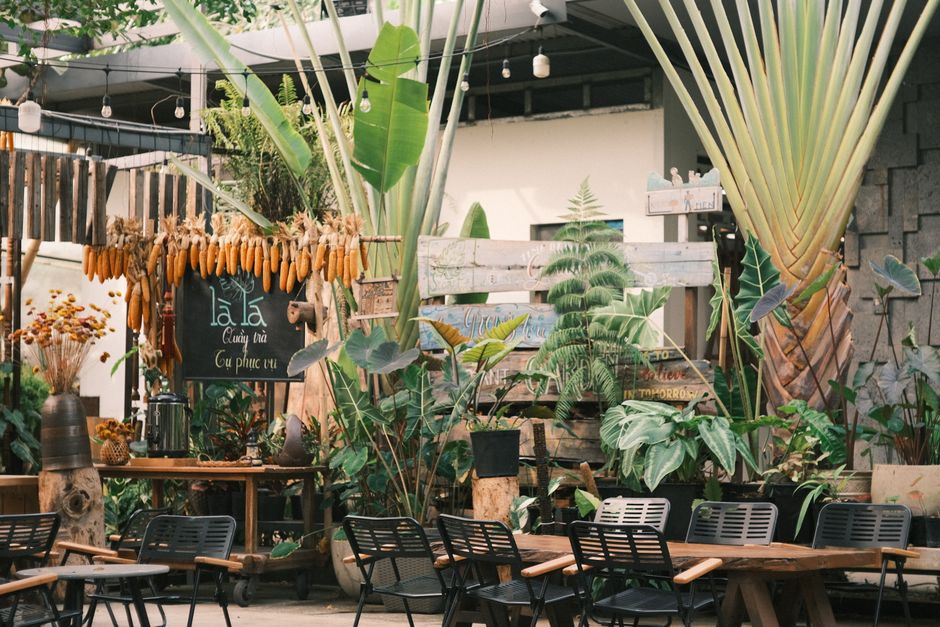
You want the rainforest, the howler monkeys at dawn, the open-air shower with a view of the canopy. You don’t want to pay $400 a night for it. Fair. Costa Rica’s eco-lodge scene has a dirty secret: the word “eco” gets slapped on a lot of concrete boxes with a recycling bin out front. Real eco-lodges exist under $150. You just have to know which ones aren’t lying to you.
I’ve stayed in enough of them to know the difference between a place that composts its food scraps and a place that just puts a sign in the bathroom about reusing towels. Here’s the straight version.
What Actually Makes a Lodge “Eco” in Costa Rica
Most travelers get this wrong. They see “eco-lodge” in the name and assume it means something. It doesn’t. Costa Rica has a certification program called CST (Certification for Sustainable Tourism) run by the tourism board. A hotel with a CST score of 4 or 5 out of 5 is actually doing something. A hotel with a leaf logo they designed themselves is not.
Look for three things. First, water. Does the lodge have rainwater catchment or a graywater system? Second, power. Solar panels or hydroelectric micro-turbines? Third, waste. On-site composting and no single-use plastics? If a lodge can’t answer those three questions in one email, it’s greenwashing.
The other thing nobody tells you: location matters more than amenities. A lodge built into an existing clearing in the forest does less damage than one that cleared land to build. The best eco-lodges are often the most basic. No AC. No pool. Just screens, fans, and the forest. That’s the tradeoff. You’re paying for the land, not the thread count.
Questions to Ask Before Booking
- What’s your CST score? (If they don’t know what CST is, hang up.)
- Where does your water come from?
- Do you have AC? (If yes, ask how it’s powered.)
- What happens to your food waste?
That’s it. Four questions. You’ll eliminate 80% of the “eco” listings on Booking.com in ten minutes.
Five Lodges Under $150 That Aren’t Greenwashing
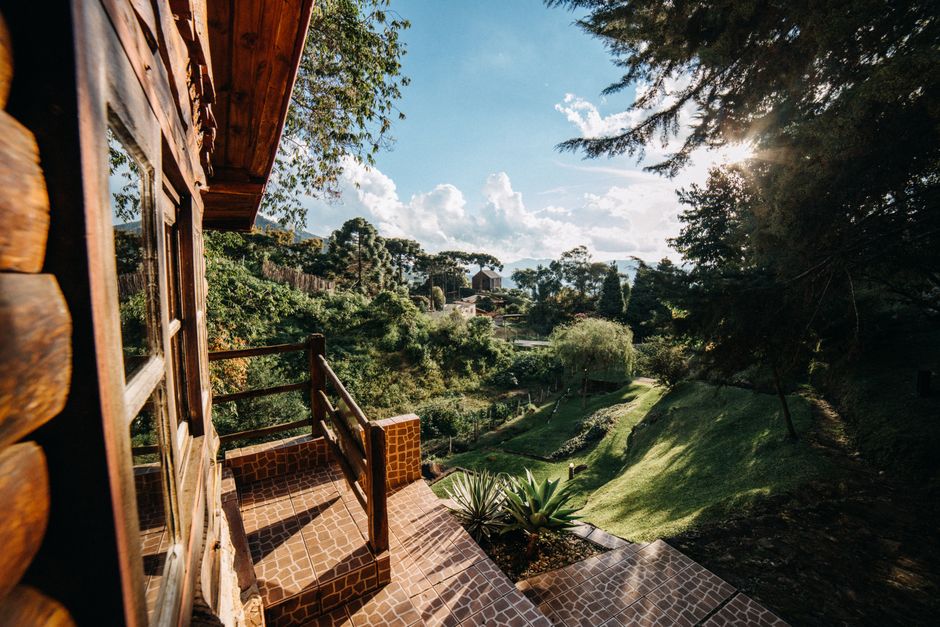
Here’s the list. These are places I’ve either stayed at or verified through direct contact with the owners in 2026. Prices are high-season doubles, including taxes and breakfast where noted.
| Lodge | Location | Price/Night | What You Get | Eco Cred |
|---|---|---|---|---|
| Finca Luna Nueva | San Isidro de Peñas Blancas | $95–$120 | Farm lodge, organic meals, guided forest tours | Biodynamic farm, solar, CST 5 |
| Selva Bananera Lodge | Near Cahuita, Caribbean side | $75–$90 | Open-air cabins, sloth sightings, breakfast included | Rainwater catchment, no AC, family-run |
| Monteverde Rustic Lodge | Monteverde | $85–$110 | Basic rooms, cloud forest access, shared kitchen | Solar hot water, composting, CST 4 |
| La Kukula Lodge | Puerto Viejo | $110–$140 | Jungle bungalows, bike rentals, breakfast | Built with fallen timber, no plastic policy |
| Danta Corcovado Lodge | Drake Bay | $130–$150 | Remote rainforest cabins, meals available | Off-grid solar, community-owned |
Finca Luna Nueva is the one I tell people to book if they want the full experience without roughing it too hard. The farm tour is genuinely interesting — you see how they grow turmeric, ginger, and cacao without chemicals. The rooms are simple but clean. At $95 a night in high season, it’s a steal.
Selva Bananera is the budget pick. No AC, no pool, no nonsense. But you wake up to howler monkeys and the owner, Carlos, will point out sloths on the property. That’s worth more than a minibar.
The Biggest Mistake People Make Booking Eco-Lodges
They book by photos. Big mistake. An eco-lodge’s best feature is never in the photos. You can’t photograph quiet. You can’t photograph the absence of a tour bus pulling up at 7am. You can’t photograph the feeling of walking out your door directly into the forest instead of a parking lot.
Here’s the failure mode I see constantly: someone books a “eco-lodge” near Manuel Antonio because it’s close to the park. They pay $140. They get a room with AC, a TV, and a pool. It’s fine. But it’s not an eco-lodge. It’s a regular hotel with a green logo. They could have stayed at a Holiday Inn for the same price and gotten the same experience.
The second mistake: assuming eco-lodge means cheap. It doesn’t. Some of the most expensive places in Costa Rica are eco-lodges. The ones under $150 are basic. That’s the point. You’re trading luxury for location and authenticity. If you want AC and a pool, don’t book an eco-lodge. Book a regular hotel. You’ll be happier.
When NOT to Book an Eco-Lodge
If you’re traveling with small kids who need AC, skip it. If you’re on a work trip and need reliable Wi-Fi, skip it. If you have mobility issues, many eco-lodges have steep paths and uneven stairs. If you’re scared of bugs, genuinely scared, not just mildly annoyed — skip it. An open-air bathroom means spiders. That’s the deal.
How to Verify a Lodge Before You Pay
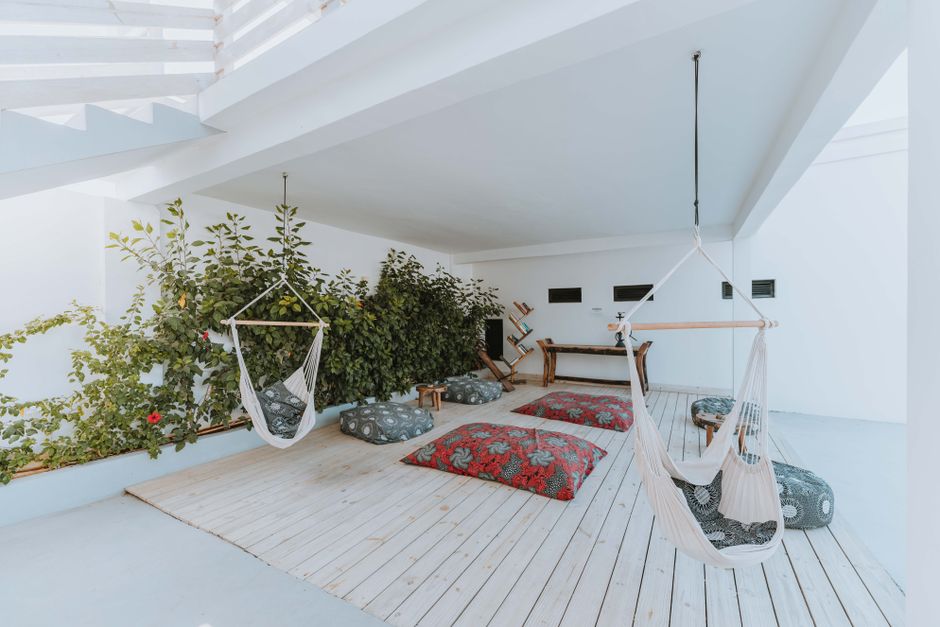
Don’t trust the listing. Trust the follow-up. Send a direct email or WhatsApp message. Ask the four questions I listed above. A real eco-lodge owner will answer in detail. They’ll tell you about their water system, their solar array, their composting setup. They’re proud of it. A greenwasher will send you a canned response about “sustainability initiatives.” Delete and move on.
Also check the reviews for specific mentions. Not “beautiful place” — that’s useless. Look for reviews that mention the same details: “no AC but the fan was enough,” “the owner showed us the solar panels,” “they compost everything.” Those reviewers stayed at the same place you’re considering. They’re telling you what it’s actually like.
One more thing: book direct when possible. The lodge keeps more money. That’s the whole point of sustainable travel. If you book through a third-party site, the lodge loses 15–20% in commission. For a small family-run place, that’s significant. Send them a WhatsApp message. Pay by bank transfer or PayPal. It’s slightly more work, but it’s the difference between supporting a real operation and funding a booking platform.
What You’re Actually Paying For
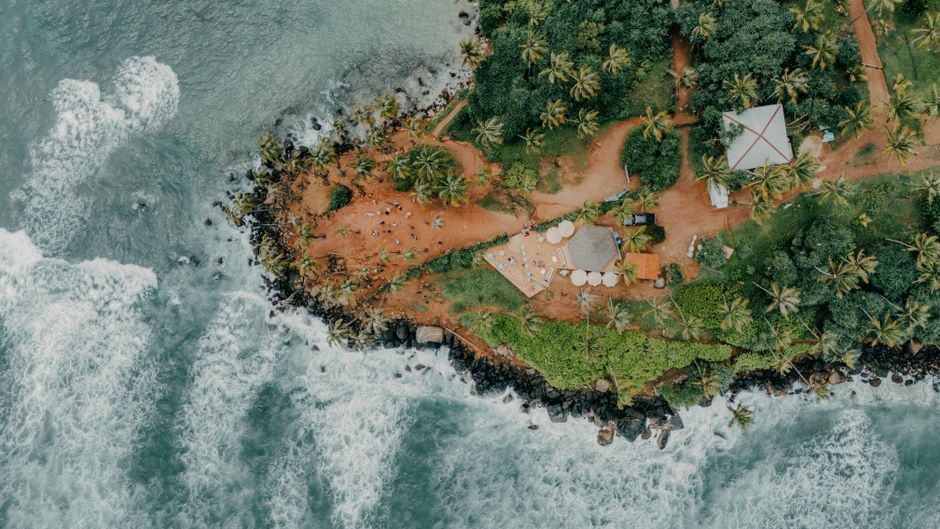
Let’s be honest about the math. A $100 room at Finca Luna Nueva gets you: a bed, a fan, a bathroom, breakfast, and access to 200 acres of biodynamic farm and rainforest. A $100 room at a chain hotel in San José gets you: a bed, a TV, AC, and a parking lot view. The eco-lodge is the better deal. Period.
But only if you value what it offers. If you want to be in the forest, hearing nothing but birds and rain, waking up to monkeys — that’s worth more than $100. If you want to watch Netflix in bed with the AC on 68, it’s worth less. Know which one you are before you book.
The best eco-lodge stay I’ve had in Costa Rica cost $85. It had no hot water. The shower was cold. The bed was hard. And I’d go back tomorrow. Because at 5:30am, I watched a toucan land on a branch ten feet from my balcony while drinking coffee that was grown on the property. That’s not in any photo. That’s what you’re actually paying for.
The single most important takeaway: a real eco-lodge under $150 is basic, and that’s the point — verify the eco claims directly with the owner before you book, or you’re just paying a green premium for a regular hotel.