
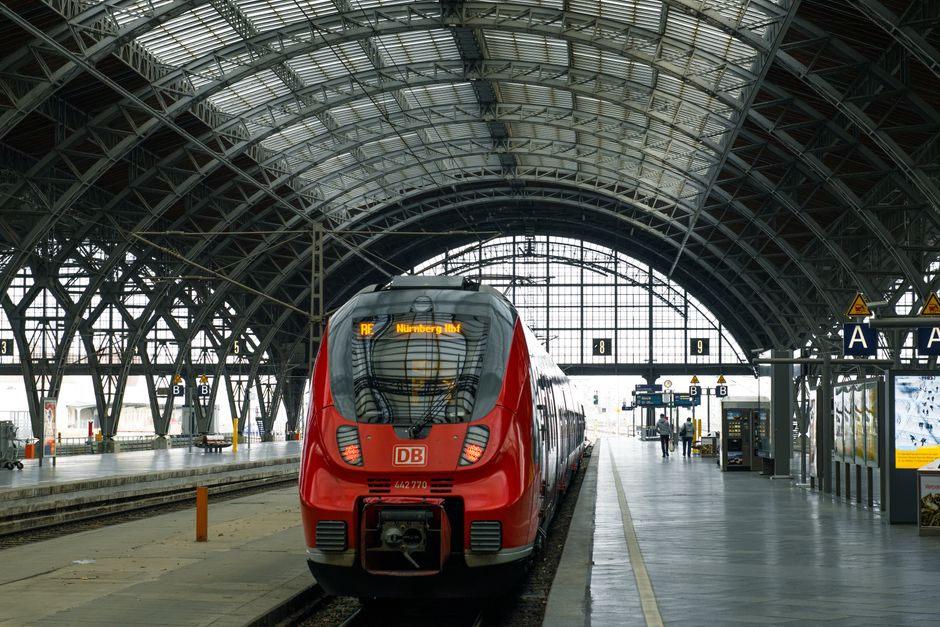
You arrive at the airport at 5:30 a.m. for a 7:40 flight, then spend 25 minutes finding the right terminal, 40 minutes in security, and another 20 minutes waiting at the gate. Your short break has started with a queue. For many city trips, a train from the centre of one city to the centre of another removes that hidden travel time.
The strongest case for May long weekend trains is not that rail always costs less or runs faster. The case is that the whole journey is easier to measure. You can compare the station transfer, boarding buffer, luggage rules, arrival location, and ticket conditions before paying. The examples below use 2026 journey times and advertised starting fares, but bank-holiday prices and schedules can change quickly. No state law is discussed in this travel-planning article. This is not legal advice — consult a licensed attorney.
How to choose a May long weekend route
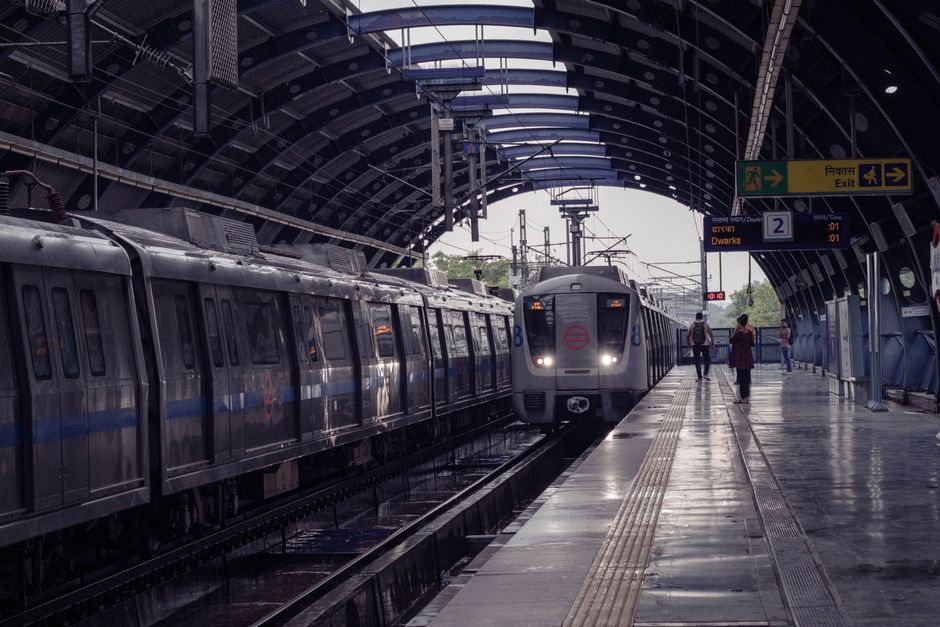
Verdict: start with the station pair, then test the full timetable and transfer cost. A famous destination is a poor choice if the best train arrives after dinner or requires three fragile connections.
Use the whole-journey test
| Route pattern | Published rail time | Useful arrival buffer | Best May use | Main risk |
|---|---|---|---|---|
| London to Paris | About 2 hours 16 minutes on the fastest direct service | 45 to 60 minutes for international checks | Two or three nights in a central European capital | Peak fares sell quickly around bank holidays |
| London to Edinburgh | About 4 hours 10 minutes on the faster timetable | 20 to 30 minutes at the departure station | A long weekend with no airport transfer | Engineering work can change departure times |
| Paris to Lyon | Fastest trains take about 1 hour 41 minutes | 20 to 30 minutes at the station | Food, culture, or a short regional break | Cheap fares may have strict conditions |
| Boston to Washington, D.C. | About 7 hours on some direct premium services | 20 to 30 minutes before departure | A multi-city Northeast Corridor trip | Air travel may save time on the longest version |
Measure the transfer, not just the train
Write down four times before booking: home to station, station buffer, scheduled rail time, and station to accommodation. Add a fifth number for the return journey. This exposes a common mistake: choosing a train that looks fast but arrives at a station far from the neighbourhood you want.
A route under three hours is the clearest rail win. A four-hour route can still work for a city-centre trip. At six or seven hours, rail becomes a scenery, comfort, and multi-city choice rather than an automatic time saver. That distinction keeps a persuasive travel plan honest.
Which trains are worth booking for May 2026?
My strongest pick for a short international break is Eurostar Standard London to Paris. It combines a direct city-centre route with a published journey time of about 2 hours 16 minutes. For a domestic United Kingdom break, LNER Azuma to Edinburgh is the better choice when the traveller wants Scotland without an airport transfer. For France, TGV INOUI is the practical winner on Paris to Lyon. These recommendations are route-specific, not claims that one operator is best everywhere.
Best short international option: Eurostar Standard
Eurostar lists London to Paris from £39 one way in Standard class, subject to availability. The direct journey takes about 2 hours 16 minutes, and London-route passengers can bring two large bags up to 85 centimetres plus one piece of hand luggage without a weight limit. The £39 fare is a starting point, not a sensible May bank-holiday budget. For a Friday departure or Sunday return, search early and compare the total return price.
Best United Kingdom city break: LNER Azuma
LNER’s 2026 timetable places faster London to Edinburgh journeys at about 4 hours 10 minutes. LNER advertised Advance fares from £41.40 each way for London to Edinburgh, with availability and bank-holiday exclusions applying. The Azuma wins for travellers who value a reserved seat, a direct city-centre arrival, and the ability to work or read during the trip. It loses its value if the fare is bought late at a peak price or if an engineering closure creates a replacement-bus section.
Best France rail pairing: TGV INOUI and the ICE 4 alternative
SNCF Connect shows Paris to Lyon services as fast as 1 hour 41 minutes, with fares on the route displayed from €16 for selected tickets. TGV INOUI is the better comfort choice for a Lyon weekend, while a cheaper restricted fare may suit a traveller with fixed plans and a small bag. For a Germany-based itinerary, Deutsche Bahn’s ICE 4 reaches up to 250 kilometres per hour on suitable high-speed sections and works well for linking major cities without airport transfers.
Amtrak’s NextGen Acela also deserves a place in the comparison for United States readers. It connects Boston, New York, Philadelphia, Baltimore, and Washington, D.C., with reserved seating, power outlets, and free Wi-Fi. Its Boston-to-Washington journey takes about seven hours on the published timetable, so it is strongest as a multi-city route or a downtown-to-downtown alternative, not as a blanket replacement for every flight.
The product verdict is clear: Eurostar is best for a compact London-to-Paris escape, LNER Azuma is best for London to Edinburgh, and TGV INOUI is best for a fast Paris-to-Lyon weekend. Confirm the fare rules before payment because the cheapest ticket can be poor value after a missed departure.
Five booking mistakes that ruin a long weekend

Verdict: the biggest rail mistake is treating a May bank holiday like an ordinary Tuesday. Demand, engineering work, and fare restrictions all become more severe when thousands of travellers choose the same Friday and Monday.
1. Booking the cheapest departure at the wrong time
- Do not chase the lowest fare without checking arrival time. A train that saves £20 but reaches the destination after the last practical hotel check-in can create a taxi bill, a missed reservation, or a lost evening. Price the whole day, not only the ticket.
- Do not leave the return until the final evening. Sunday and bank-holiday Monday services often fill first. A late return can also expose you to reduced service, planned engineering work, or a long wait after a missed connection.
- Do not build a tight connection across separate tickets. A 12-minute change may look acceptable on a timetable. It becomes risky after a platform change, a delayed arrival, or a crowded station corridor. Use at least 30 minutes for a same-station change and more for a cross-city transfer.
- Do not assume flexible means refundable. Advance, restricted, semi-flexible, and fully flexible tickets can have different exchange and refund rules. Read the conditions beside the exact fare before selecting the seat.
- Do not ignore luggage and document checks. Train luggage can be easier than airport luggage, but every operator sets its own limits. International routes can require passport checks, and a missing travel document can stop the journey before boarding.
The practical safeguard
Save the booking confirmation, platform information, operator contact details, and the fare conditions in one offline folder. Check the service again 24 hours before departure and again before leaving for the station. That small habit catches timetable changes while there is still time to choose another train.
When flying still makes more sense
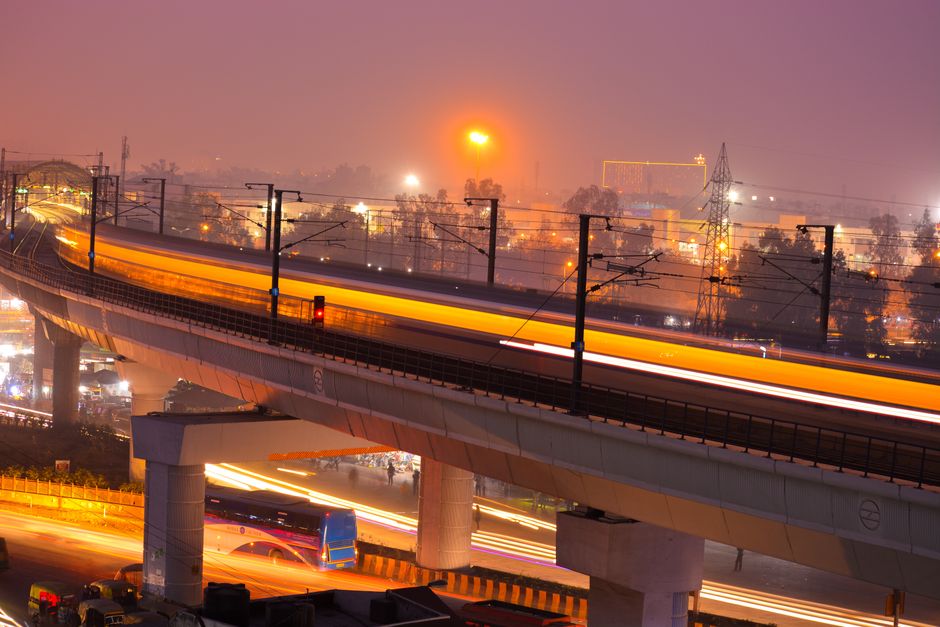
My opinion: do not force a train onto a route where rail consumes most of the day and the airport journey is genuinely short. Rail is a strong answer to airport queues for short and medium city pairs. It is not a moral test, and it is not always the fastest option.
Is a seven-hour train sensible for a three-night break?
It can be sensible for a multi-city plan, a traveller who dislikes airport procedures, or someone who wants a downtown arrival. It is a weak choice for a single destination when the flight takes 90 minutes, the airport is nearby, and the train requires a connection. The decision should rest on door-to-door time, price, comfort, and the value of the hours spent moving.
When should a traveller avoid the cheapest train fare?
A restricted fare is a poor buy for anyone whose work, family, or weather plans may change. Paying more for an exchangeable ticket can protect the trip from a missed connection or a changed return date. The right comparison is the cost of flexibility against the cost of losing the original ticket.
What is the final rule for May long weekend trains?
Book rail when the train leaves from a convenient station, arrives near the hotel, and saves enough airport time to improve the break. Book a flight when the route is too long for rail or the total train price is far above a practical alternative. For 2026 planning, the clearest winners are direct city-centre routes with a journey under four hours and an early booking window.
May travel is likely to keep pushing rail operators and airports to compete on more than speed. Travellers are starting to value the minutes before departure and after arrival just as much as the timetable itself, which gives city-centre trains a stronger place in the future of short breaks.