
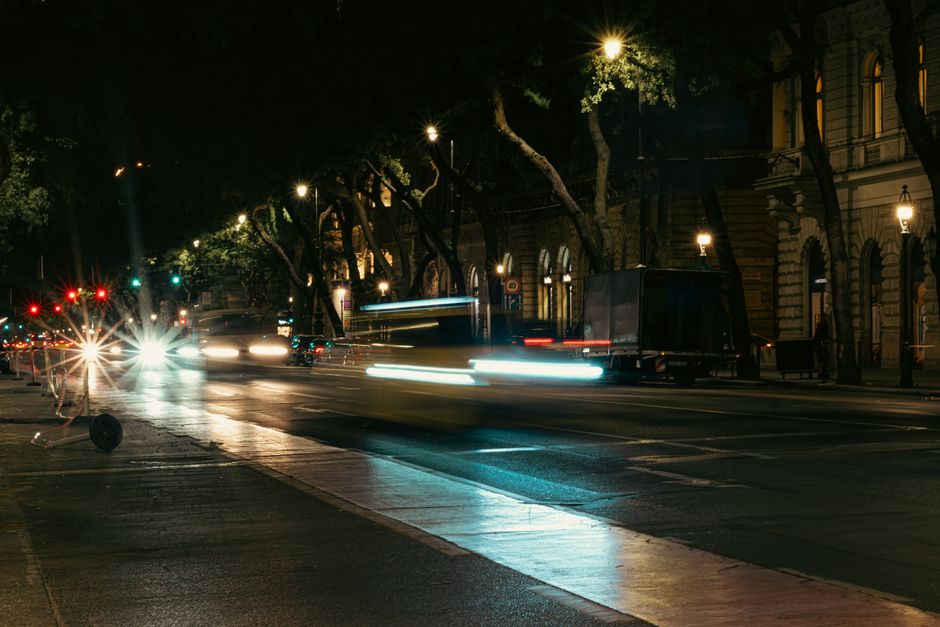
A 12-minute delay can create a 60-minute problem when it breaks the last bus connection. Picture the common August finish: you leave a concert at 10:45 p.m., reach the station as the departure board changes, and discover that the final connection stops several kilometres from home. The train itself feels safe. The exposed part comes later, when you wait alone, walk beside a dark road, or make a rushed decision with 8% battery left. The safest August return starts before you board. You need a complete route, a timed backup, and a clear point where walking stops making sense.
Why August late journeys become risky after 10 p.m.
August creates a strange travel trap. Longer daylight makes the evening feel unfinished, so people leave events later and plan less carefully. By the time darkness arrives, crowds thin quickly. A busy platform at 9:30 p.m. can become an empty interchange at 11:15 p.m., even in a familiar city.
The last connection matters more than the first
Most travelers check the main train and ignore the final leg. That is the weak link. A rail journey may run every 20 minutes, but the connecting bus may run once an hour. A small delay then changes the whole decision: you may need to wait, walk, call someone, or pay for a taxi. Check the complete chain from the event entrance to your actual door. Include the walk between platforms, the wait outside the station, and the route from the final stop.
Heat, crowds, and darkness distort judgment
August heat can leave you tired and short of water. Festivals and sporting events add crowd pressure, noise, and confusing temporary barriers. People often follow the largest group instead of checking the correct exit. That works until the group turns toward a car park or a different station entrance. Set your route before leaving the venue, save the final stop, and keep enough time for one missed connection. The clear verdict is simple: a familiar route with a 20-minute buffer beats a faster route that depends on one exact departure.
Use this five-check plan before leaving the venue
The best night-travel plan takes about five minutes. Do it while you still have light, people around you, and a reliable signal.
Check the full journey, not just the headline departure
- Confirm the final train or bus and its scheduled arrival.
- Check the last connection from that arrival point to your neighbourhood.
- Measure the walking section from the final stop, not from the station shown in the search result.
- Save one backup route that uses a different line or interchange.
- Tell one person your planned arrival time and the point where you will change plans.
Set a hard limit for waiting and walking
Choose the rule before tiredness takes over. For example, wait no longer than 20 minutes at an open, staffed interchange; do not walk more than 15 minutes on an unfamiliar route after midnight; and stop walking if the pavement disappears, the route enters an isolated industrial area, or your phone drops below 15% battery. These rules remove the pressure to prove that you can manage an awkward journey. They also help a friend or driver give useful advice because they know exactly when you will switch to the backup.
Keep your ticket, hotel address, emergency contact, and route screenshot available offline. A weak signal should slow the journey, not erase the plan.
Which late route is safest: direct bus, train, or taxi?
Speed alone does not decide safety. The strongest route has fewer exposed transfers, a visible waiting area, and a realistic backup. Use this comparison before you leave an August event.
| Route type | Best use | Main weakness | Verdict |
|---|---|---|---|
| Direct late bus | Known stop near home and regular service | Long gaps after a missed departure | Best low-cost option when the stop stays open and visible |
| Train plus short walk | Busy station with staff and a well-lit route | Final walk may empty after the train arrives | Good choice when the walk stays under 15 minutes |
| Train plus bus transfer | Frequent services and a staffed interchange | One delay can remove the last bus | Use only with a confirmed backup |
| Licensed taxi or booked ride | Late arrival, poor weather, luggage, or an isolated final stop | Higher cost and pickup confusion | Safest practical choice when the route has a weak link |
| Friend or family pickup | Long distance from the final stop or low battery | Requires a clear meeting point | Strongest option when arranged before departure |
Read the weak link
Pick the route based on its worst section. A direct bus with a 35-minute wait beside an empty road may be weaker than a train with a short, busy walk. A taxi that drops you on the wrong side of a venue may also create a poor final approach. Check where you will stand, how you will identify the vehicle, and who can see you arrive.
Choose a red-line rule
My preference is a direct service with a staffed stop, even when it takes ten minutes longer. If the route needs two transfers after 10 p.m., treat it as a fragile plan. Keep it only when both connections run frequently and the interchange has an open waiting area.
The useful safety kit is small, charged, and familiar
My clear recommendation: carry a charged phone, a small power bank, and one light source. You do not need tactical equipment or an expensive satellite device for a normal city return. You need tools you can operate quickly while tired.
Choose backup power over extra gadgets
Google Maps Live Location and Apple Find My cost nothing and cover the most useful task: letting a trusted person see that you reached the right route. Test location sharing before the event. It adds weight, but it can restore enough battery for directions and a call. Keep the cable with it rather than leaving the cable at home.
Use light for visibility, not confrontation
That is useful on an unlit path, during a power cut, or when you need both hands free. A phone flashlight works for a short walk, so do not buy a headlamp for a route that stays bright and populated. The product verdict is firm: spend first on battery backup, then on light only if your regular route contains genuinely dark sections.
When should you pay for a taxi or stay overnight?
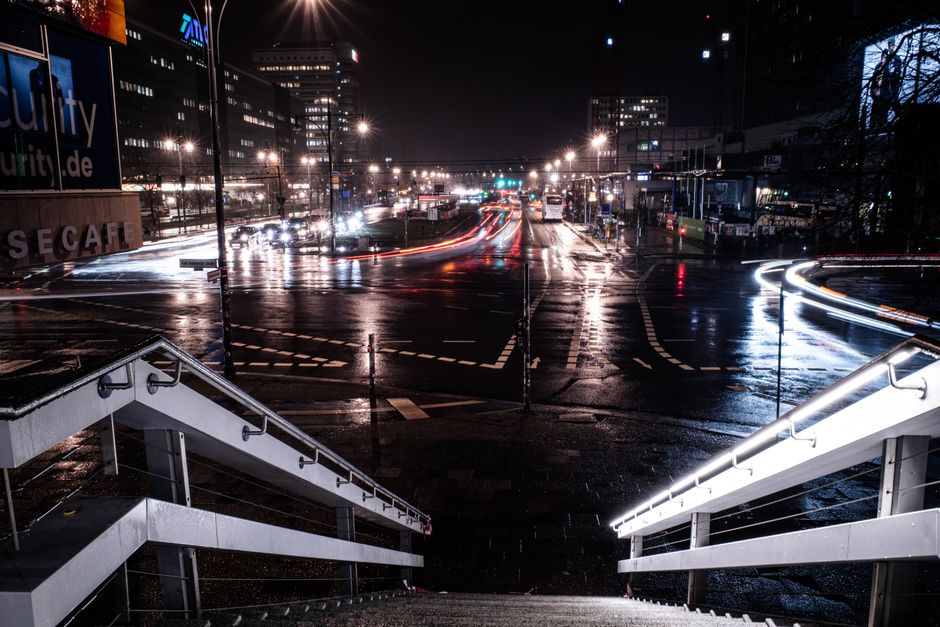
Pay for the taxi when the final section has become the risk, not when the whole trip feels inconvenient. Use one when the last stop leaves you with an isolated walk, when weather has reduced visibility, when you carry valuable luggage, or when a missed connection leaves you waiting without staff nearby. Ask the driver to take you to a specific entrance, not just the street name, and share the trip details with someone you trust.
When a hotel is the better decision
An inexpensive room near the venue can beat a late cross-city journey if the event ends after the final reliable service. This works especially well for solo travelers, people unfamiliar with the city, and anyone facing an early departure the next morning. Check the reception hours and the route from the venue before booking. A hotel is not a failure of planning; it is a way to remove several uncertain legs at once.
When public transport remains the right choice
Stay on the train or bus when the service remains staffed, the route has frequent departures, the final stop sits in a populated area, and you still have a charged phone with a confirmed backup. For most August evenings, the best plan is a direct route, a 20-minute buffer, live location sharing, and a firm taxi rule. Choose that setup before the first departure, and late transport stays practical instead of becoming a rushed walk through an unfamiliar place.