

The bustling terminals of Manchester Airport serve as the gateway to the world for over 28 million passengers annually, many of whom are bound for destinations where the local microbial landscape differs drastically from the North West of England. While travelers often obsess over flight connections and hotel reviews, the biological reality of international transit is frequently overlooked until the final weeks before departure. For residents of Greater Manchester, the availability of specialized travel health services is significant, yet navigating the distinction between NHS-provided immunizations and private clinic requirements remains a complex task. Proactive health management is not merely a recommendation; it is a logistical necessity for crossing certain international borders where proof of vaccination, such as the International Certificate of Vaccination or Prophylaxis (ICVP), is legally mandated. Failing to secure these documents can result in immediate deportation upon arrival or mandatory quarantine in state facilities, particularly in parts of Central Africa and South America.
Where to find travel vaccines in Manchester: Clinic locations and accessibility
Manchester serves as a central hub for travel health in the North West, offering a high density of clinics ranging from high-street pharmacies to specialized private centers. The primary concentration of these services is located within the M1 and M2 postcodes, making them accessible via the Metrolink and major bus routes. High-street providers such as Boots and Superdrug maintain multiple branches in the city center, specifically on Market Street and within the Arndale Centre, which offer online booking systems for travel consultations. These locations are ideal for travelers who need standard immunizations and want to combine their medical appointment with general shopping for travel essentials.
For those requiring more specialized immunizations, such as the Yellow Fever vaccine, specific registered centers must be utilized. The CityDoc clinics located near Piccadilly Gardens and the Nomad Travel clinics are recognized for their extensive stock of less common vaccines. These private clinics often provide a broader range of services than a standard GP surgery, including malaria prophylaxis prescriptions, altitude sickness medication, and even specialized kits for extreme environments. Accessibility varies; while city-center locations offer convenience for office workers, several clinics in the Trafford Centre and South Manchester (Didsbury and Altrincham) cater to those living outside the immediate urban core. Many of these clinics now offer “walk-in” slots, though during the peak summer travel season, booking at least three weeks in advance is highly recommended to ensure the specific vaccine strain is in stock.
Key Manchester Travel Clinic Providers
- Boots Travel Health Service: Located at 32 Market Street. Offers a comprehensive range of vaccines and malaria tablets. Appointments are usually available within 48 hours, and they provide a digital record of your vaccinations through their integrated health portal.
- Superdrug Health Clinic: Situated in the Manchester Arndale. Known for competitive pricing on Hep B and Rabies courses. They often have nurse practitioners on-site who specialize in pediatric travel health, making them a top choice for families.
- Manchester Travel Clinic: A specialized private entity often used for rapid-turnaround certificates and complex itineraries involving multiple tropical destinations. They offer “express” services for business travelers who have last-minute deployments to high-risk zones.
- Nomad Travel Clinic: Located within the city center, they offer a “one-stop-shop” experience where you can receive your shots and purchase professional-grade mosquito nets and water purification systems simultaneously.
Which travel vaccines are mandatory for popular destinations from Manchester?

Travelers departing from Manchester Airport (MAN) frequently visit destinations that require specific medical interventions. While many vaccines are recommended to protect the individual, some are mandatory for entry under International Health Regulations. For example, travelers flying to Saudi Arabia for Hajj or Umrah pilgrimages are required to show proof of vaccination against meningococcal meningitis (ACWY). This requirement is strictly enforced, and the certificate must have been issued at least 10 days before arrival and no more than three to five years prior, depending on the vaccine type used.
The distinction between mandatory and recommended is vital. Recommended vaccines, such as Hepatitis A and Typhoid, protect against food and water-borne illnesses common in popular Manchester-departure destinations like Pakistan, India, and parts of Southeast Asia. While you may not be denied entry without them, the risk of contracting these diseases remains statistically significant in regions with varying sanitation standards. Data from Public Health England suggests that a high percentage of enteric fever cases (Typhoid and Paratyphoid) reported in the UK are linked to travel to the Indian subcontinent. Furthermore, the rise of drug-resistant strains of Typhoid in South Asia makes pre-travel vaccination an even more critical layer of defense for those visiting friends and relatives (VFR travelers), who often stay in residential areas rather than tourist hotels.
Commonly Required Vaccines by Region
| Region | Mandatory Requirements | Highly Recommended |
|---|---|---|
| Southeast Asia (Thailand, Vietnam) | None (unless arriving from YF zone) | Hepatitis A, Typhoid, Tetanus, Rabies |
| South Asia (India, Pakistan) | Polio (for some long-term stays) | Typhoid, Cholera, Hepatitis A, Japanese Encephalitis |
| Sub-Saharan Africa | Yellow Fever (ICVP required) | Meningitis, Rabies, Hepatitis B, Cholera |
| Central/South America | Yellow Fever (specific countries) | Hepatitis A, Typhoid, Rabies |
What are the costs for travel vaccinations in Manchester clinics?
The financial aspect of travel health preparation involves a two-tier system: the NHS and private providers. The NHS provides certain travel vaccines free of charge if your GP surgery is registered to provide them. These typically include vaccines that protect against diseases considered a public health risk if brought back into the UK. These include Polio (given as a combined DTP shot), Typhoid, and Hepatitis A. If your trip only requires these, your costs may be zero, though many Manchester GPs now outsource this to private clinics due to resource constraints. It is important to note that while the vaccine itself might be free on the NHS, some surgeries may still charge an administration or “private prescription” fee for the paperwork involved.
Private clinics charge for vaccines not covered by the NHS. These include Rabies, Japanese Encephalitis, Tick-borne Encephalitis, and Yellow Fever. Prices in Manchester are relatively standardized, but slight variations exist between high-street pharmacies and independent specialist clinics. It is advisable to factor these costs into your initial travel budget, as a full course of Rabies vaccinations can exceed £200 per person. Many travelers are surprised to find that the “consultation fee” is often separate from the “injection fee.” Always clarify whether the price you see online includes the cost of the nurse’s time and the physical certificate.
Average Price Comparison for Private Vaccines (2026/2026)
| Vaccine Type | Estimated Price per Dose | Number of Doses Required | Total Estimated Cost |
|---|---|---|---|
| Yellow Fever | £60 – £85 | 1 | £85 (includes certificate) |
| Rabies | £65 – £90 | 3 | £195 – £270 |
| Japanese Encephalitis | £85 – £110 | 2 | £170 – £220 |
| Hepatitis B | £40 – £60 | 3 | £120 – £180 |
| Meningitis ACWY | £50 – £75 | 1 | £75 |
Note: Many clinics charge a consultation fee (typically £15-£30) which may be waived if you purchase vaccines during the appointment. Always verify if the price quoted includes the administration of the injection and the VAT where applicable.
When should you book travel vaccinations before flying from Manchester?

Timing is the most frequent point of failure in travel health planning. Most vaccines require a lead time to become effective, as the body needs to generate an immune response. A standard recommendation is to book a consultation at least 6 to 8 weeks before your departure date. This window allows for multi-dose schedules, such as the Hepatitis B or Rabies courses, which often require shots spaced weeks apart. For instance, the Rabies pre-exposure course traditionally requires doses on day 0, day 7, and day 21 or 28. If you leave it until the week before you fly, you cannot complete the course, leaving you partially protected and still requiring full post-exposure treatment if bitten.
Furthermore, the Yellow Fever vaccine certificate only becomes valid 10 days after the injection. Presenting a certificate at a border that is only 5 days old can result in mandatory quarantine or denied entry. In Manchester, during peak summer months (May through August), clinic appointments fill up rapidly. Waiting until the final fortnight before your flight from Manchester Airport significantly limits your options and may force you to visit more expensive emergency clinics or travel without adequate protection. If you are planning a last-minute trip, “accelerated schedules” exist for some vaccines like Hepatitis A+B combined, but these are often more expensive and may require a booster dose much sooner than the standard schedule.
Vaccination Timeline Milestones
- 8 Weeks Prior: Research destination requirements and check your NHS immunization history via the NHS App. This helps you avoid paying for boosters you may already have.
- 6 Weeks Prior: Attend initial consultation and receive first doses of multi-stage vaccines. This is also the time to discuss malaria risks.
- 4 Weeks Prior: Receive second doses and start malaria prophylaxis if you are using Mefloquine, which requires a “test dose” period.
- 2 Weeks Prior: Complete any final doses and ensure all certificates are signed and stamped correctly. Check that the name on your ICVP matches your passport exactly.
Navigating Malaria Prophylaxis: Beyond the Needle
While vaccines protect against many tropical diseases, there is currently no widely available vaccine for malaria for general travelers. Prevention relies on a combination of medication (prophylaxis) and bite avoidance. Manchester clinics will assess your specific itinerary—down to the specific provinces you are visiting—to determine which medication is most effective against local parasite resistance. For example, the medication required for a safari in Kenya may differ from that needed for a trek in rural Vietnam.
There are three primary types of malaria tablets commonly prescribed in Manchester clinics: Atovaquone/Proguanil (Malarone), Doxycycline, and Lariam (Mefloquine). Each has its own side-effect profile and cost structure. Malarone is popular for short trips because it only needs to be taken for seven days after returning, whereas Doxycycline must be continued for four weeks post-travel. However, Doxycycline is often significantly cheaper, making it the preferred choice for long-term backpackers or students on a gap year.
Malaria Medication Comparison
| Medication | Daily/Weekly | Pros | Cons |
|---|---|---|---|
| Atovaquone/Proguanil | Daily | Few side effects; short post-trip course. | Most expensive option. |
| Doxycycline | Daily | Inexpensive; also protects against some other infections. | Sun sensitivity; must take for 28 days after return. |
| Mefloquine (Lariam) | Weekly | Convenient weekly dosing. | Potential for vivid dreams or neuropsychiatric side effects. |
What health supplies should you buy in Manchester before traveling?
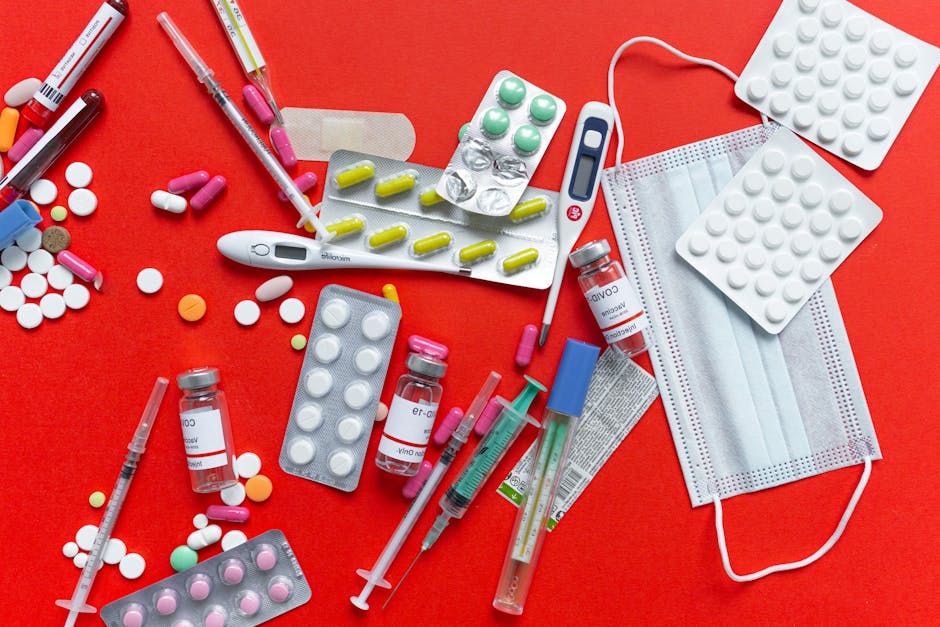
Vaccines are only one component of a comprehensive travel health strategy. Many common travel ailments, such as traveler’s diarrhea, insect-borne diseases (like Dengue or Zika for which no widely available vaccine exists), and minor injuries, require physical supplies. Retailers in Manchester, including Boots and specialized outdoor shops like Ellis Brigham or Cotswold Outdoor in Deansgate, stock professional-grade health kits. Investing in quality equipment before departure ensures you are not reliant on potentially counterfeit or substandard supplies in remote locations.
Beyond physical kits, digital connectivity is vital for accessing medical records or contacting insurance providers. For Manchester travelers, ensuring your mobile plan covers international data is essential. Services like O2 Travel (available via O2/Awin) offer daily rates for data usage in over 60 destinations. This allows for the use of GPS, translation apps for medical emergencies, and digital health passports without incurring massive roaming charges. Having a reliable data connection can be the difference between finding a reputable hospital in an emergency and wandering aimlessly in a foreign city.
Recommended Travel Health Products
-
LifeSystems World Traveller First Aid Kit
Approximate Price: £35 – £45
Specs: Contains 70 items including sterile needles, syringes, sutures, and various dressings.
Pro: Vital if you require medical treatment in areas where equipment hygiene is a concern.
Con: The kit is relatively bulky and may take up significant space in a carry-on bag.
-
Garmin Fenix 7 Solar (Health & Navigation)
Approximate Price: £550 (Available at Currys/Awin)
Specs: Solar charging, multi-continent TopoActive maps, and advanced blood oxygen tracking.
Pro: Excellent for high-altitude trekking (e.g., Kilimanjaro or Everest Base Camp) to monitor acclimatization.
Con: High initial investment; features may be overkill for standard beach holidays.
-
Post Office Travel Insurance (Premier Cover)
Approximate Price: £40 – £120 (Varies by destination)
Specs: Up to £10 million emergency medical cover and £10,000 cancellation cover.
Pro: Includes 24/7 medical assistance helplines which can coordinate with Manchester-based doctors if needed.
Con: Premiums can increase significantly for those with pre-existing medical conditions.
-
O2 Travel Bolt-on
Approximate Price: £6 per day (in selected zones).
Specs: Unlimited data, minutes, and texts in over 60 destinations outside the EU.
Pro: Provides constant access to digital health records and emergency contact services without “bill shock.”
Con: The daily cost can accumulate quickly on trips exceeding two weeks.
Common mistakes to avoid when booking travel vaccines in Manchester
One of the most frequent errors made by Manchester travelers is assuming that a “full course” of childhood immunizations provides lifelong protection for all destinations. While the UK’s routine schedule is excellent, it does not cover tropical diseases. Another common pitfall is the “last-minute rush.” Many travelers attempt to get their shots the day before they fly from Manchester Airport. Not only does this mean they are not protected for the first week of their trip, but the potential side effects of the vaccines (such as a mild fever or sore arm) can make the long-haul flight extremely uncomfortable.
Additionally, travelers often fail to disclose their full itinerary. A person flying to Thailand might only mention Bangkok, but if they are planning a side trip to the rural northern borders, they may need Japanese Encephalitis protection which isn’t necessary for the city. Always be transparent with your Manchester travel nurse about every stop on your journey, including layovers in countries with different health requirements. Finally, don’t forget to check your financial protection; ensure your travel insurance is active from the moment you book your vaccines, as some policies will reimburse the cost of vaccinations if the trip is cancelled for medical reasons.
Preparing for international travel from Manchester involves a systematic approach to both immunization and physical preparation. By utilizing the city’s dense network of clinics and securing the necessary health technology and insurance before departure, travelers can mitigate the most common risks associated with global transit. Evidence suggests that the cost of prevention is invariably lower than the cost of emergency medical repatriation or treatment abroad, which can easily run into tens of thousands of pounds.